
Choosing an injection tooling partner in 2026 requires more than comparing quoted prices. Global buyers must examine engineering depth, steel selection, tolerances, mold-flow validation, and after-sales support. A polished website proves little. The real evidence appears in trial reports, dimensional records, and samples from production conditions. Dr. John P. Beaumont, a respected injection molding engineer and author, described the mold as “the heart of the injection molding process.” That view remains practical. A well-built tool controls repeatability, cycle time, surface quality, and maintenance cost. It also protects launch schedules when demand crosses borders.
This guide reviews leading injection tooling manufacturers through a buyer-focused lens. It considers capabilities for automotive, medical, electronics, packaging, and technical consumer parts. It also examines export experience, communication discipline, quality systems, spare-part planning, and realistic lead times. Ask for cavity balance data. Inspect cooling channels. Confirm steel certificates and acceptance criteria. Small details matter. Yet no ranking is perfect. Supplier performance can change with management, workload, or subcontracting decisions. A factory may excel at large automotive molds but struggle with tight medical tolerances. Another may offer excellent prototypes but limited production support. Buyers should verify claims through references, live audits, and independent inspection where appropriate. Cost remains important, but the lowest quotation can conceal rework, delayed sampling, or difficult maintenance. This 2026 overview makes those risks visible. It is a starting point, not a substitute for technical due diligence. Experienced buyers know that even strong tooling plans may need revision after the first mold trial.
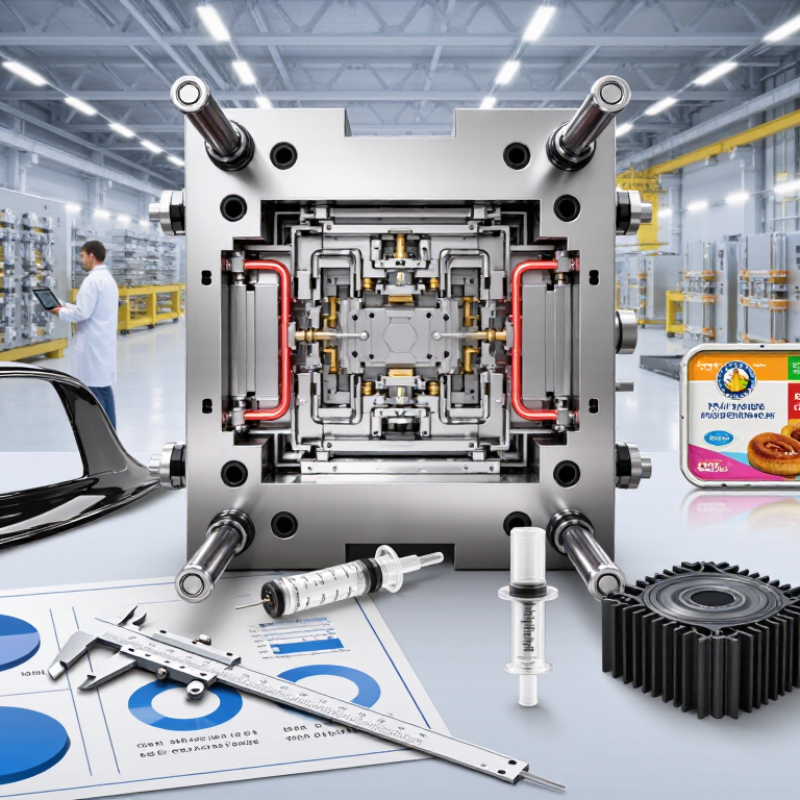
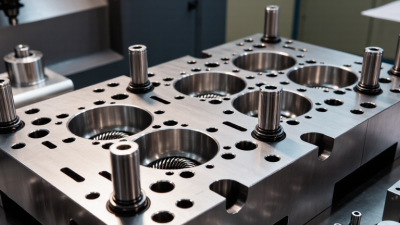
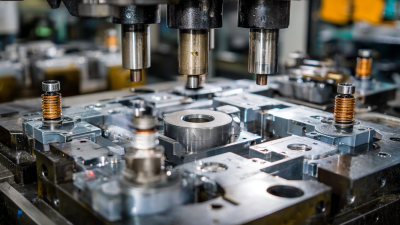
Injection tooling manufacturers convert a product concept into a repeatable production tool. They review CAD files, check wall thickness, and identify draft problems before steel is cut. Their engineers also design cavities, cores, runners, gates, and cooling channels for stable molding.
Small decisions matter. A poorly placed gate can leave visible marks on a housing. Uneven cooling can create warpage after several production cycles. Experienced manufacturers use mold-flow analysis, machining controls, and documented inspections to reduce these risks. They may use hardened steel for long runs and softer materials for early validation tools. Each choice affects cost, delivery time, maintenance, and part consistency.
In 2026, global buyers expect more than a finished mold. They need clear revision records, dimensional reports, sample approvals, and dependable technical communication across time zones. Traceable materials and energy-conscious machining are also becoming practical purchasing requirements. Manufacturers increasingly support digital design reviews, remote inspections, and predictive maintenance planning.
Still, no tooling process is perfect. Simulation can miss a real production issue, especially when resin behavior changes. A responsible manufacturer admits this possibility and builds inspection points into the schedule. Trial runs, measured samples, and honest feedback often reveal problems that polished presentations hide. That practical discipline protects production reliability when thousands of parts must match.
2026 Top Injection Tooling Manufacturers for Global Buyers
How to Evaluate Injection Tooling Manufacturers for Global Projects
For global buyers, evaluating injection tooling manufacturers requires more than comparing quoted prices. Experienced teams inspect tooling samples, machining records, and trial reports before signing. Ask how the manufacturer controls steel selection, cavity balance, cooling channels, and dimensional changes. A reliable supplier explains tolerances in practical terms. They should also provide a clear timeline for design review, mold trials, corrections, and shipment.
During a factory visit, watch a mold trial instead of viewing polished photographs. Talk with the process engineer. Their answers reveal practical experience. Check measurement equipment calibration and request recent inspection data. Past performance matters, but it can mislead when projects differ in resin, part size, or annual volume. A manufacturer may excel with simple housings yet struggle with complex geometries.
Tips: Compare at least three proposals using identical drawings, materials, tolerances, and production targets. Request sample parts from a comparable project, not a generic demonstration piece. Confirm design-file ownership, revision control, maintenance support, and replacement-part response times. Do not ignore communication quality. A technically capable team that misses questions can create expensive delays. I would also leave room for uncertainty. No forecast is perfect. Pilot tooling, staged approvals, and documented acceptance criteria can reduce avoidable risk.
Global buyers need injection tooling manufacturers that can manage more than machining. They need design control, process discipline, and dependable export coordination. PlasticsEurope reported global plastics production of 413.8 million tonnes in 2023. This volume keeps demand high for molds used in automotive, medical, packaging, and consumer products. Manufacturers serving international buyers should provide steel certificates, mold-flow analysis, dimensional reports, and traceable inspection records.
Delivery capability matters as much as tool accuracy. A capable manufacturer can review parting lines, draft angles, cooling channels, and ejection risks before cutting steel. It should also support DFM reviews across time zones. Industry 4.0 research from the International Federation of Robotics shows continued investment in connected production and automation. For tooling buyers, this means better process data, not merely newer equipment. Ask how suppliers record cavity balance, cycle trials, and corrective actions.
The difficult part is verification. A polished website proves little. Request sample inspection reports and realistic trial footage. Check whether quoted lead times include design approval, steel preparation, testing, and export packing. ISO 9001 certification helps, but it does not guarantee every mold will perform well. Communication can still fail. One overlooked tolerance may create weeks of rework. Regional service partners, spare-part planning, and clear warranty terms reduce that risk for international buyers. Pricing should be judged beside tool life, maintenance access, and production stability—not alone.
| Evaluation Dimension | Leading Manufacturer Capability | Typical Buyer Requirement | Recommended Verification Evidence | International Purchasing Relevance |
|---|---|---|---|---|
| Tooling Type | Prototype molds, bridge molds, production molds, family molds, insert molds, and overmolding tools. | Tool structure matched to expected volume, material, product complexity, and launch schedule. | Tool design review, mold-flow analysis, 2D drawings, 3D CAD files, and approved mold specifications. | Helps global buyers avoid over-investing in production tooling for products still undergoing validation. |
| Mold Materials | Common mold steels include P20, 718, NAK80, S136, H13, and 420 stainless steel, selected according to wear, corrosion, polish, and volume requirements. | Steel grade, hardness, heat treatment, corrosion resistance, and expected service conditions clearly defined in the purchase contract. | Material certificates, hardness reports, heat-treatment records, and traceability documentation. | Documented material selection supports consistent quality and simplifies replacement or maintenance sourcing. |
| Manufacturing Technology | Modern suppliers commonly combine CNC machining, EDM, wire EDM, precision grinding, laser texturing, polishing, and coordinate measurement. | Machining accuracy and surface-finish capability appropriate for the product’s tolerance and appearance requirements. | Machine list, calibration records, capability studies, inspection reports, and sample-tool references without confidential customer data. | Advanced in-house processing can reduce subcontracting risk, schedule variation, and cross-border communication issues. |
| Injection System | Cold-runner, hot-runner, valve-gate, edge-gate, submarine-gate, and other systems selected according to resin, part geometry, and production volume. | Gate location, runner balance, weld-line control, pressure loss, and expected material waste considered during design. | Mold-flow report, gate-layout drawing, hot-runner specification, and spare-parts list where applicable. | Proper injection-system selection affects cycle time, cosmetic quality, material consumption, and local maintenance requirements. |
| Dimensional Control | Production tooling is normally designed with controlled tolerances based on part function, resin shrinkage, steel movement, and processing conditions. | Critical-to-function dimensions and cosmetic acceptance limits identified before mold construction. | Part inspection report, dimensional layout, CMM results, capability data, and signed approval samples. | Clear acceptance criteria reduce disputes when tooling is inspected across different countries or facilities. |
| Surface Finish | Available finishes may include textured surfaces, high polish, EDM texture, chemical etching, bead blasting, and mirror finishing. | Surface standard defined using approved samples, texture references, gloss requirements, and visible-part criteria. | Surface-finish samples, texture references, polishing records, and first-article photographs. | Documented cosmetic standards are particularly important when buyers cannot conduct frequent on-site inspections. |
| Mold-Life Planning | Expected service life varies substantially with resin abrasiveness, glass-fiber content, mold steel, maintenance, cycle conditions, and part design. | Tool-life target stated as a planned number of cycles and linked to defined maintenance and operating conditions. | Tool-life calculation, maintenance schedule, wear-part list, and warranty terms with clearly stated exclusions. | Lifecycle planning allows buyers to compare total cost of ownership rather than only the initial mold price. |
| Sampling and Validation | Professional tooling programs generally include trial molding, process adjustment, dimensional inspection, and sample approval before shipment. | Trial quantity, resin grade, machine conditions, sample approval process, and correction rounds agreed in writing. | Trial report, approved samples, process parameters, inspection results, and corrective-action records. | Structured validation lowers the risk of receiving a tool that cannot run reliably on the buyer’s equipment. |
| Quality Management | Internationally oriented manufacturers often operate documented quality systems, with ISO 9001 certification commonly used as a management-system reference. | Quality checkpoints covering design, steel preparation, machining, assembly, testing, and final release. | Current certificate scope, internal inspection plan, nonconformance procedure, and sample quality records. | Formal quality processes improve accountability and provide traceable records for international procurement teams. |
| Engineering Software | Common digital workflows use 3D CAD, CAM, mold-flow simulation, reverse engineering, and measurement software. | Compatible file formats, revision control, design-change approval, and secure data exchange. | Software compatibility statement, revision log, engineering-change form, and data-security procedure. | Compatible digital workflows reduce file-conversion errors and accelerate remote design approval. |
| Lead-Time Planning | Lead time depends on cavity count, tool size, steel grade, surface treatment, complexity, sampling rounds, and engineering changes. | Milestones separated into design approval, steel ordering, rough machining, finishing, assembly, trials, corrections, and shipment. | Detailed project schedule, weekly progress reports, risk register, and escalation contacts. | Milestone-based planning gives overseas buyers earlier visibility of schedule risks and logistics dependencies. |
| Export Documentation | Cross-border shipments may require commercial invoices, packing lists, transport documents, customs classifications, and origin information. | Shipping terms, export responsibilities, packaging method, insurance, and required documentation agreed before dispatch. | Sample export document set, packaging specification, shipment photographs, and customs-support process. | Accurate documentation reduces customs delays, unexpected charges, and damage claims during international transit. |
| Maintenance Support | Useful support includes preventive-maintenance instructions, exploded mold drawings, spare-part identification, troubleshooting, and remote assistance. | Maintenance tasks, lubrication points, inspection frequency, replacement intervals, and approved spare parts documented. | Maintenance manual, spare-parts catalog, service response policy, and training materials. | Strong after-sales support helps overseas production sites maintain uptime without immediate supplier travel. |
| Commercial Protection | Professional tooling agreements normally address ownership, confidentiality, design changes, warranty scope, acceptance criteria, and payment milestones. | Tool ownership, intellectual-property handling, delivery responsibility, warranty period, and remedy process stated clearly. | Signed tooling agreement, confidentiality agreement, warranty terms, and documented change-order procedure. | Clear commercial terms protect the buyer’s investment and reduce uncertainty in long-distance supplier relationships. |
2026 Top Injection Tooling Manufacturers for Global Buyers
Quality differences appear in details that samples often hide. Tool steel certificates, heat-treatment records, and cavity measurements reveal more than a glossy presentation. In supplier audits, experienced buyers check flash, parting-line accuracy, cooling balance, and expected mold life. A polished sample proves little. Ask for dimensional reports from repeated production runs, not one successful trial. Some suppliers still rely on manual corrections, which may create unstable results after several thousand cycles.
Technology affects consistency and response time. Advanced flow simulation can identify air traps, weld lines, and uneven filling before machining begins. High-speed machining, electrode control, and automated inspection can reduce adjustment work. However, expensive equipment does not guarantee good engineering. Review the process, not just the machine list. Cost should include design changes, maintenance, spare parts, sampling, and shipping. A low quotation may become costly after repeated mold modifications.
Production capacity matters when demand rises suddenly. Check the number of active machines, available shifts, skilled technicians, and subcontracting controls. A large workshop can still miss deadlines during peak periods. Request a realistic production schedule with milestones for design approval, steel preparation, machining, trials, and final inspection. Capacity claims are sometimes optimistic. Buyers should compare promised output with recent delivery records and verified customer references. That evidence is less impressive, but more useful.
2026 Top Injection Tooling Manufacturers for Global Buyers
Global buyers should evaluate injection tooling manufacturers through evidence, not polished quotations. Grand View Research estimates the global injection-molded plastics market reached USD 387.8 billion in 2023, with a projected 4.6% annual growth through 2030. This expansion increases supplier options, but it also increases quality risks. Ask for documented mold-flow analysis, steel certificates, cavity-balance results, and previous samples with measured dimensions. A low price means little if the mold produces flash after 20,000 cycles.
Technical alignment must happen before production. Share resin data, annual volume, critical tolerances, cooling expectations, and maintenance access. Request a design-for-manufacturing review with marked changes. Use video meetings, but require controlled drawings and revision records. Small details matter. For example, confirm ejector-pin replacement space and water-channel leak testing. MarketsandMarkets projects the injection molding machine market to grow from about USD 10.6 billion in 2023 to USD 14.7 billion by 2028. That growth reflects rising capacity, not automatic reliability.
Build a staged approval process. Review the first design, inspect the trial parts, and release production only after corrective actions are closed. Define ownership of CAD files, spare components, inspection data, and mold modifications in the contract. Independent dimensional inspection adds credibility, especially across borders. Still, no scorecard is perfect. Real production exposes weaknesses that samples may hide. Keep a small contingency budget for polishing, cooling changes, or an unexpected second trial.
Mold-life classification is a practical starting point when comparing tooling manufacturers. The SPI classification system defines Class 101 molds as exceeding 1,000,000 cycles, Class 102 as up to 1,000,000 cycles, Class 103 as up to 500,000 cycles, Class 104 as up to 100,000 cycles, and Class 105 as up to 500 cycles. Buyers should also verify steel selection, maintenance support, dimensional capability, validation documentation, and total cost of ownership before placing an order.