
Choosing a mold manufacturing company is not simply a price comparison. It is a decision about repeatability, part quality, delivery risk, and support after the first tool trial. A polished website cannot show how a supplier handles a warped sample, a worn cavity, or a late design change. Look for evidence: relevant tooling experience, clear design reviews, documented inspection methods, and realistic trial plans. Small details matter. Ask for evidence.
David Kazmer, an injection-molding researcher and author of Injection Mold Design Engineering, offers a useful principle when his work is paraphrased: “A mold should fit the part, the process, and the production target.” That idea is practical. A capable partner asks about resin, annual volume, tolerances, cooling, and the machine before promising a low quote. They can explain steel selection, maintenance access, venting, and who owns design changes. Request comparable project examples, measurement reports, and a plan for correcting trial defects. Then compare total cost, not just the tool invoice. A cheap mold can become expensive beside a press that sits idle. No supplier is perfect. Even a strong shop may miss an assumption; ask how it records decisions and handles corrections. This guide examines the checks that make that choice more informed, while recognizing that the right fit depends on your part and production needs.

Before choosing a mold manufacturing company, define the part, material, and production target. Provide a 3D model, expected tolerances, surface finish, and any areas that must remain free of visible marks. A thin rib, deep pocket, or undercut can change the tool design and price. Details matter.
Material affects shrinkage, wear, and processing temperature. Name the resin grade when possible, not just “plastic,” and describe exposure to heat, chemicals, or sunlight. Plastics Europe’s Plastics – the Fast Facts 2024 reports global plastics production of 413.8 million tonnes in 2023. That scale says little about your specific part, but it reinforces why material selection should be precise. Ask the manufacturer to review resin data and flag risks before tooling begins.
Production volume matters just as much. Grand View Research estimated the injection-molded plastics market at $287.5 billion in 2023, with a projected 4.8% compound annual growth rate from 2024 to 2030. Use your own forecast to discuss cavity count, tool life, maintenance, and cycle time. A low-volume prototype may not need a complex multi-cavity tool. A common mistake is treating the first-year estimate as the whole program. It is easy to miss. Ask for assumptions in writing, including material, annual volume, and acceptable dimensional variation.
Before comparing mold manufacturing companies, map the part’s geometry, material, and expected production volume. A thin-walled enclosure may need injection molding, while a large, low-volume panel could suit compression molding or thermoforming. The process affects tooling cost, cycle time, surface finish, and dimensional consistency. Start with the actual part.
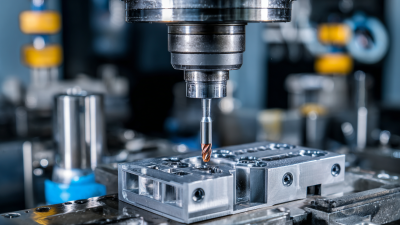
Ask how the company will make the mold, not just which processes it offers. For injection molding, discuss steel or aluminum tooling, expected shot count, and cooling layout. Ask whether undercuts require side actions. For CNC machining and electrical discharge machining, request details on achievable tolerances and how critical dimensions will be measured. If the design includes snap fits, ask for a first-article inspection plan. Small details matter.
Match secondary processes to the finished part. Some parts need insert molding, overmolding, polishing, texturing, or post-mold machining; each adds time and inspection points. Confirm resin compatibility, color requirements, and the intended finish with physical samples where practical. A polished sample can hide a mismatch in texture or gloss. Ask what could fail during a trial run and how the team would detect it. Useful checks may include cavity pressure, part weight, or key dimensions. A simpler process may work, but clarify what trade-offs it brings.
Typical molding cycle-time ranges can help you identify which processes to discuss with a manufacturer. These broad estimates vary with part size, material, design, and production setup.
Use these ranges as an initial guide, not a production guarantee. Ask prospective manufacturers which processes suit your part geometry, material, surface finish, and expected production volume.
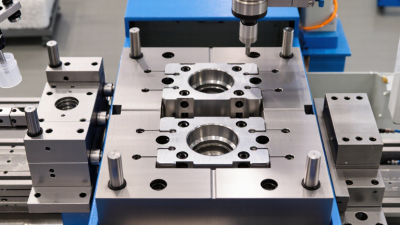
A mold manufacturing company should be able to explain how its engineers turn a part design into a workable tool. Ask about draft angles, wall thickness, gate placement, and cooling layout. Ask to see it. The answers should be clear, not buried in jargon. Request an example of a design issue the team found before cutting steel, and how it was resolved.
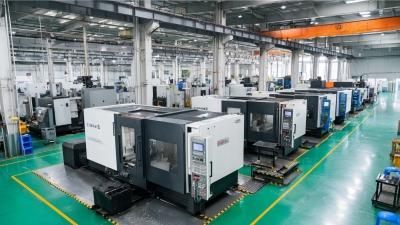
Inspect the equipment that will make and maintain the mold. CNC machines, EDM equipment, and measuring tools each serve different purposes; the right setup depends on the part’s geometry and tolerance needs. Ask how often machines are calibrated and which operations are handled in-house. A long equipment list sounds impressive, but it does not prove consistent results. Look for specific examples and records.
Quality controls should cover more than a final visual check. Ask how the company verifies dimensions, records material details, and checks trial shots for flash, short fills, or uneven cooling. A sample inspection report can reveal whether measurements are traceable and easy to understand. No checklist catches everything. Even careful buyers can overvalue polished presentations and overlook routine process records. Ask what happens when a measurement falls outside tolerance, and who approves a correction before production continues.
Compare quotes only after normalizing scope: steel grade, cavity count, slide actions, surface finish, and sampling rounds. A low price may omit design changes or trial shots, making the apparent saving disappear later. Ask for a line-item quote and a dated schedule with design review, steel ordering, machining, first sampling, and revisions shown separately. In March 2023, the Institute for Supply Management’s Report on Business recorded a Supplier Deliveries Index of 44.8. A reading below 50 signaled faster deliveries across the surveyed sector, not a guaranteed lead time for your mold. That gap matters.
Request written assumptions behind the quoted delivery date, including when your team must approve drawings and provide final part data. Ask how quickly questions receive responses, who owns engineering changes, and whether progress photos or weekly updates are available. Small details count: a marked-up drawing returned in one business day can prevent a costly machining pause. A promised date is still an estimate; first sampling may reveal issues no quotation can predict. Ask for the planned response if dimensions miss tolerance, and whether correction time is included. Keep decisions, revisions, and approvals in one shared record. Then compare vendors on the same deliverables, not just the final price.
Indicative comparison of common supplier profiles for plastic injection molds. Cost and timing are broad planning ranges in USD and calendar weeks, not quotes; part size, resin, mold material, cavity count, finish, validation, and production requirements can change them substantially.
| Comparison Dimension | Prototype-Focused Shop | Mid-Volume Tooling Partner | High-Volume Production Partner |
|---|---|---|---|
| Typical best fit | Early-stage designs, fit checks, bridge production, and lower-volume parts where speed and design iteration matter most. | Established designs needing a balance of tooling cost, repeatability, and moderate production capacity. | Stable, high-demand programs that need durable tooling, process controls, and ongoing production support. |
| Indicative mold cost | About $3,000–$20,000 for simpler aluminum or soft-tool applications. | About $10,000–$60,000 for common single- or multi-cavity steel tooling. | About $30,000–$150,000 or more for complex, multi-cavity, or production-hardened tooling. |
| Typical tooling lead time | About 2–5 weeks for a simple tool; design changes or sampling can extend the schedule. | About 5–10 weeks for a typical production mold, depending on complexity and approval cycles. | About 8–16 weeks or more for complex tools, multi-cavity layouts, or extensive validation. |
| Sampling and approval | May offer quick initial samples, but confirm how many sample rounds and revisions are included. | Ask for a documented first-article or T1 sampling plan, dimensional results, and a clear approval gate. | Typically requires a planned qualification process; confirm validation scope, sample quantities, and acceptance criteria. |
| Pricing practices to check | Confirm whether the quote includes design review, mold base, material, sampling, and change work. | Request an itemized quote showing tooling scope, sample runs, shipping, and any recurring maintenance charges. | Clarify tooling ownership, payment milestones, spare components, preventive maintenance, and production-related charges. |
| Communication practices to look for | Direct access to the designer or toolmaker; frequent updates are useful when the design is still changing. | A named project contact, written action list, and regular schedule updates help keep design and tooling decisions aligned. | Defined escalation contacts, formal change control, milestone reporting, and documented quality reviews are important. |
| Questions to ask before choosing | Can you review the part design before quoting? What changes are included, and what triggers a new charge? | What are the tool-life assumptions? Who approves the mold design, and how are schedule changes communicated? | What validation records are supplied? How are tool maintenance, spare parts, and production interruptions handled? |
| Potential trade-off | Lower upfront cost and faster iteration may come with shorter tool life or limits on production volume. | A practical middle ground, though capacity and support levels vary; verify workload and relevant process experience. | Greater production readiness may require higher upfront investment, longer qualification, and more formal processes. |
| Good evidence to request | Recent examples of comparable parts, a sample schedule, and a written breakdown of included services. | Comparable project references, a tooling timeline, sample inspection results, and a clear communication cadence. | Documented quality procedures, capacity information, validation examples, and a tool-care and escalation plan. |
Verify experience against your actual part, not a broad claim about years in business. Ask for examples involving similar materials, dimensions, cavity counts, and surface finishes. A supplier who has made thin-wall parts may not have solved your deep-rib cooling problem. Request process records or a sample part, and ask how defects were corrected. Photos help, but they cannot confirm repeatability. That matters.
Speak with a recent customer, if practical, and ask about communication when trials revealed problems. A confident answer should include specifics: what failed, what changed, and how the fix was checked. A polished portfolio can hide gaps; it should not be treated as proof by itself. Compare the supplier’s stated machine capacity with your tool size and production needs.
Put project details into a written agreement before work begins. Define the mold scope, steel or aluminum grade, resin assumptions, critical tolerances, sample quantity, and acceptance criteria. Include delivery milestones, revision limits, and who approves design changes. Keep it specific. Clarify ownership, storage, maintenance, and access to the tooling after production. Ask how delays or extra machining will be reported and priced. If a clause feels vague, pause and revise it; the uncomfortable conversation is usually cheaper before cutting steel. Even a detailed agreement cannot prevent every issue, so set a clear route for documenting decisions and approving changes.