Top Tips for Choosing SPC Flooring for Your Home?
When it comes to home flooring, one popular choice is SPC Flooring. SPC stands for Stone Plastic Composite, a material known for its durability and aesthetic appeal. According to Bob Johnson, a flooring expert with over 15 years of experience, "Choosing the right SPC Flooring can change the look and feel of your entire home." His expertise underscores the importance of making informed choices.
SPC Flooring combines beauty with function. It is waterproof and resistant to scratches, making it ideal for busy households. However, not all SPC Flooring is created equal. Different brands offer various qualities and styles. Homeowners should consider thickness, warranty, and color options before making a selection.
While SPC Flooring offers many advantages, some challenges may arise. Installation can be tricky for novices. Poor installation might compromise its benefits. Researching brands and reading customer reviews can help mitigate these concerns. Ensuring that your chosen flooring fits your lifestyle requires careful thought and preparation.
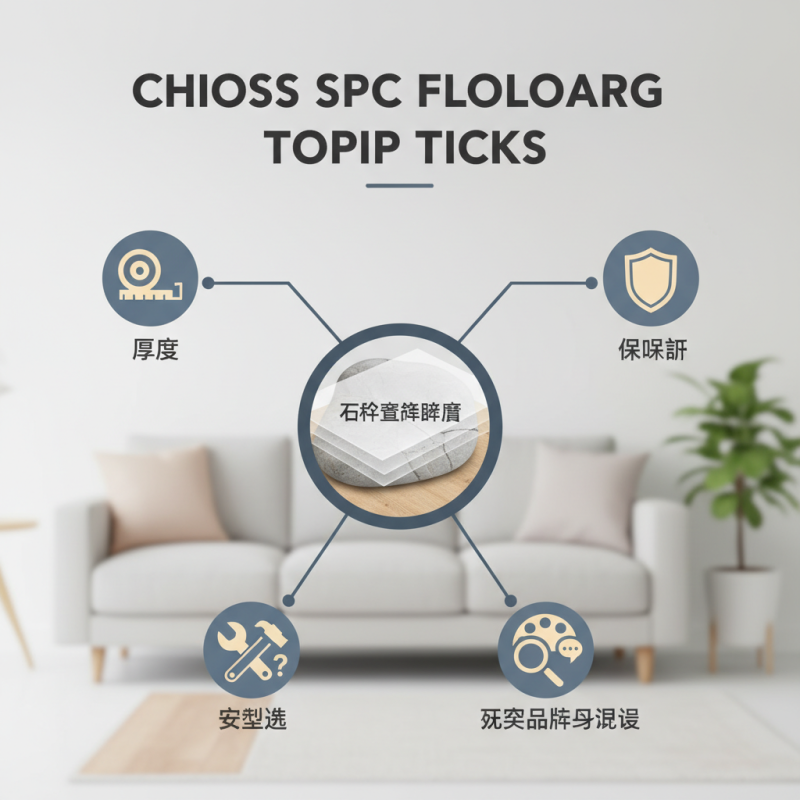
Understanding SPC Flooring: Composition and Benefits for Homeowners
SPC (Stone Plastic Composite) flooring has gained popularity among homeowners due to its unique composition and numerous benefits. Composed of a rigid core, made from limestone and PVC, SPC flooring bridges aesthetics and durability. According to recent industry reports, SPC flooring resists moisture, making it suitable for kitchens and bathrooms. This water-resistant feature means less worry about spills or humidity damage.
When selecting SPC flooring, consider the thickness. A thicker plank typically offers better sound insulation and comfort underfoot. For optimal performance, choose at least 5mm thickness. Additionally, look for options with a wear layer of at least 20 mil. This detail enhances durability and resistance to scratches and stains.
SPC flooring is easy to install. Most products feature a click-lock system, reducing installation costs. However, be mindful of the subfloor condition. An uneven surface can affect longevity and stability. Proper preparation is vital for the best results. Research indicates that correct installation can extend the lifespan of your flooring to over 20 years.
Key Factors to Consider When Selecting SPC Flooring Styles and Designs
When selecting SPC flooring, understanding styles and designs is crucial. SPC, or Stone Plastic Composite, is praised for durability and aesthetic appeal. According to a study by the National Institute of Standards and Technology, SPC flooring can withstand high foot traffic and resist moisture better than traditional options. This is an essential factor for homes with pets or children.
Design versatility is another key consideration. SPC flooring comes in various colors and textures, mimicking natural materials like wood or stone. A report from the Flooring Contractors Association indicates that over 70% of consumers prefer wood-like finishes for their homes. However, some may find these designs can appear synthetic, limiting choices.
Installation is often overlooked. Despite SPC being easy to install, it requires careful planning. Poor installation can lead to issues such as gaps or warping. Inadequate subfloor preparation poses a risk to longevity. Ensure you have proper resources or hire professionals for the job. Recognizing these details can lead to better decisions when choosing SPC flooring for your space.
Deciphering SPC Flooring Ratings: How to Evaluate Durability and Performance
When choosing SPC flooring, understanding its ratings is crucial. Durability largely hinges on the thickness of the wear layer. A thicker layer generally offers better resistance to scratches and dents. It’s wise to opt for a wear layer of at least 12 mil for residential use. This will ensure your flooring can withstand daily wear and tear.
Performance ratings are also essential. Look for products that have a high ASTM rating. This indicates strong performance in moisture resistance and stability. Ratings like these can help you navigate the sea of options on the market. However, not all products with high ratings are created equal. Analyzing company reviews can shed light on real-world performance.
Consider the installation method as well. Some SPC flooring options are designed for easy DIY installation. This can save you costs but may require additional tools. Reflect on your skill level before choosing this route. Weighing all these factors helps in making an informed choice. Quality flooring should not only look good but also support your lifestyle.
Top Tips for Choosing SPC Flooring for Your Home
| Attribute | Description | Rating (1-5) |
| Durability | SPC flooring is known for its high durability, resisting scratches and dents. | 4 |
| Water Resistance | Highly resistant to water, making it suitable for kitchens and bathrooms. | 5 |
| Comfort | Provides a comfortable underfoot feel, often enhanced with underlayment. | 4 |
| Noise Insulation | Offers decent noise reduction properties, though not as effective as carpet. | 3 |
| Installation Ease | Can be installed as a floating floor, making DIY installation easier. | 4 |
| Variety of Designs | Available in a wide range of colors and styles to match any decor. | 5 |
| Cost Effectiveness | Typically more affordable than traditional hardwood flooring while providing similar aesthetics. | 4 |
Installation Methods: Choosing the Right Approach for Your SPC Flooring
When choosing SPC flooring, installation methods play a crucial role. The two main approaches are floating installation and glue-down installation. Floating installation is popular due to its ease and speed. It involves interlocking planks that “float” over the subfloor. According to industry reports, over 70% of homeowners prefer this method for its simplicity. It’s ideal for DIY projects as it minimizes labor costs.
However, glue-down installation offers stability. This method adheres the planks directly to the subfloor. It is often recommended for high-traffic areas or spaces with temperature fluctuations. A study by the National Wood Flooring Association indicates that glue-down methods can enhance durability by up to 30%.
Choosing the right approach depends on multiple factors. Consider the environment, moisture levels, and traffic patterns in your home. Each method has pros and cons, and what works for one space may not work for another. Reflect on your unique situation before deciding. The right installation can significantly affect the lifespan and performance of your SPC flooring.
Budgeting for SPC Flooring: Price Ranges and Cost-Effective Options
When considering SPC flooring for your home, budgeting is crucial. Prices for SPC flooring can fluctuate widely. Typically, you might find options ranging from $2 to $7 per square foot. The amount you pay largely depends on the thickness, design, and brand reputation. Cost-effective choices are often available, yet it is important to assess their durability.
Take the time to compare various products. Some less expensive options may not offer the same longevity. Look for features such as scratch resistance and waterproof capabilities. Also, keep an eye on installation costs. Some sellers include installation, while others do not, which can affect your total budget.
While it might be tempting to pick the cheapest option, consider the long-term implications. Lower prices may lead to frequent repairs or replacements. Invest in quality, even if it starts at a higher price point. This approach can save you money over time, as you won’t have to replace your flooring as often. Make informed decisions that reflect both your financial situation and your home's needs.