Top Tips for Choosing the Right Fluorine Pump for Your Needs?
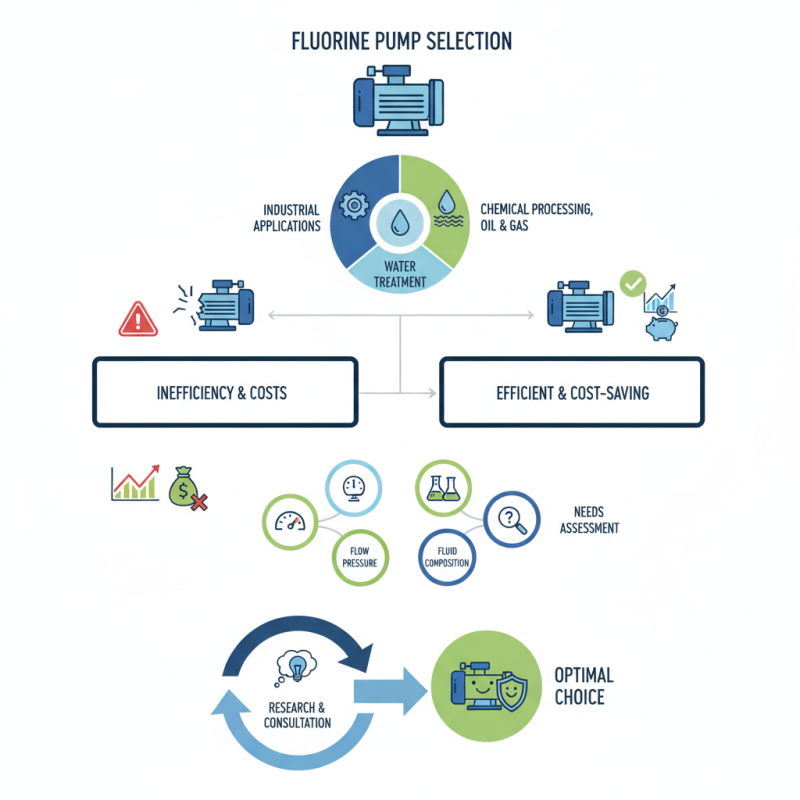
Choosing the right Fluorine Pump is crucial for various industrial applications. According to a report by MarketsandMarkets, the global fluorine pump market is expected to reach USD 2 billion by 2025, indicating significant growth in demand. Fluorine pumps are essential in chemical processing, oil and gas, and water treatment. Understanding the specific needs of your process can aid in selecting the best product.
Many industries rely heavily on fluorine pumps. These pumps handle highly corrosive fluids efficiently. However, not all pumps are suited for every application. A poorly chosen pump can lead to operational inefficiencies and increased costs. Research suggests that about 30% of pump failures occur due to improper selection. Being informed can save both time and resources.
The variety of fluorine pumps available can be overwhelming. Each pump's design and materials affect performance. When shopping for a fluorine pump, consider your unique needs. Factors such as flow rate, pressure, and fluid composition are critical. This process requires careful examination and may benefit from expert consultation to ensure the right choice.
Understanding the Importance of Fluorine Pumps in Industry
Fluorine pumps play a crucial role in various industrial applications. They are essential for transporting aggressive fluids, including chemicals and gases. Industries such as chemical processing, pharmaceuticals, and waste management heavily rely on these pumps. Their ability to handle corrosive substances without compromising performance makes them invaluable.
Choosing the right fluorine pump requires understanding its applications. Different processes demand specific pump characteristics. Flow rate, pressure requirements, and material compatibility are key factors. For instance, fluoropolymer materials often withstand high temperatures and chemical exposure better than metals. However, this can lead to challenges in wear resistance. It's essential to balance these factors based on individual needs.
Maintenance is another vital consideration. Regular inspections can prevent costly failures. Operators may overlook the wear and tear that occurs over time. Pumping mechanisms can degrade, leading to inefficiencies. Awareness of these issues can significantly enhance reliability. Industry professionals must stay informed about the latest advancements and best practices in pump technology.
Key Factors to Consider When Selecting a Fluorine Pump
Selecting the right fluorine pump requires careful consideration of several key factors. One important aspect is the pump's material compatibility. Fluorine can be highly corrosive, so materials must withstand harsh environments. Graphite, PTFE, and ceramic are popular choices. According to a recent industry report, over 75% of pump failures result from material incompatibility. This highlights the need for thorough research.
Another factor to assess is the flow rate and pressure requirements. Pumps are often rated for specific conditions. If these are exceeded, pump efficiency drops. Industry data shows that optimal performance occurs when flow and pressure are within recommended ranges. Too low may cause cavitation, while too high can lead to leaks.
When choosing a pump, consider the operational environment. Temperature fluctuations and vibration can affect pump longevity. A study found that 60% of users noted that unsuitable operating conditions led to premature wear. Reflecting on your operational needs can help avoid costly replacements. Ultimately, knowledge about these factors is crucial in choosing the right fluorine pump.
Top Tips for Choosing the Right Fluorine Pump for Your Needs
This chart outlines key factors to consider when selecting a fluorine pump, such as flow rate, pressure, chemical compatibility, maintenance frequency, and cost. These criteria help ensure the chosen pump meets specific operational requirements effectively.
Types of Fluorine Pumps and Their Applications
When selecting a fluorine pump, understanding the types and their applications is crucial. Fluorine pumps vary in design, including diaphragm, magnetic drive, and peristaltic models. Diaphragm pumps are excellent for handling corrosive fluids. They provide reliable sealing, preventing leaks. On the other hand, magnetic drive pumps offer a seamless, leak-free operation. Their lack of mechanical seals makes them a preferred choice in sensitive environments.
Peristaltic pumps, while versatile, may require careful evaluation. They are suitable for low-flow applications, like laboratory use. However, their efficiency can decrease with viscous fluids. Choosing the right pump involves assessing not only the fluid type but also the operational environment. Using the wrong type may lead to inefficiencies or even system failures. It is vital to consider temperature and pressure ratings, as incorrect assessments can have costly outcomes.
Experience plays a key role in making the right choice. Consulting with professionals who understand fluorine pump specifications is essential. Their insights can guide you through the complexities of pump selection. Understanding the applications each type serves can reduce trial-and-error. Remember, asking questions is a sign of strength, not weakness. Learning from previous selections, whether successful or not, enhances future decisions.
Evaluating Technical Specifications and Performance Metrics
When selecting a fluorine pump, evaluating technical specifications and performance metrics is crucial. Understanding flow rate is essential. The flow rate tells you how much fluid the pump can handle per minute. It directly impacts your project efficiency. A pump that doesn't match your flow requirements can lead to delays. Don't underestimate this metric.
Next, consider the pressure rating. This figure dictates how well the pump can handle the necessary force. Pumps with low pressure ratings may fail under stress. Look for pumps that exceed your operational needs. It's also wise to check the pump's materials. Fluorine-compatible materials are key. If they corrode, your pump won't perform.
Finally, review energy efficiency ratings. An efficient pump saves money. It also reduces your environmental footprint. However, remember that high efficiency might come with a higher initial cost. Assess whether the savings justify this investment. Making the right choice is not always straightforward; balancing these factors requires careful thought. Each project has unique demands, and what works for one may not work for another.
Maintenance and Safety Considerations for Fluorine Pumps
When dealing with fluorine pumps, maintenance is crucial for optimal performance. Regular inspection of seals and gaskets is necessary. Industry data shows that 30% of pump failures result from seal degradation. Proper lubrication can reduce friction and extend the life of components. Maintaining proper operating conditions prevents overheating, which can lead to catastrophic failure.
Safety considerations are equally vital. Fluorine is highly reactive, necessitating robust safety protocols. Ensure that all personnel are trained in handling fluorine safely. Always use appropriate personal protective equipment (PPE) when servicing pumps. A study indicated that 25% of incidents were linked to inadequate training. Implementing regular safety drills can prepare teams for emergencies. Additionally, invest in high-quality containment systems to mitigate risks in case of leaks.
Monitoring and documentation are essential. Keep detailed logs of maintenance activities and any malfunctions. Regular reviews of this data can identify patterns, assisting in predictive maintenance. As reported by industry experts, organizations that track maintenance can improve pump efficiency by up to 20%. Reflecting on these practices can guide improvements in safety and operational reliability.