
Top Injection Molding Manufacturers Worldwide?

Injection molding remains a foundation of modern manufacturing, producing medical housings, automotive clips, packaging closures, and thousands of precise industrial parts. It combines heated polymers, engineered molds, controlled pressure, and repeatable cycle times. The process may look simple on a factory floor. It is not.

Industry reports show why capable manufacturers matter. Grand View Research estimates that the global injection molding machine market reached approximately USD 15.39 billion in 2023. Its analysis also projects continued growth through 2030, supported by automotive, electronics, healthcare, and consumer goods demand. Fortune Business Insights reports different market values, partly because research firms define machinery, services, and regional coverage differently. That difference deserves attention.

Plastic production is also expanding. PlasticsEurope reported global plastics production of about 413.8 million tonnes in 2023. However, not every plastic product uses injection molding. Market size alone cannot identify the best supplier.

This guide examines leading injection molding manufacturers worldwide through practical criteria. These include machine accuracy, clamping force, energy efficiency, mold compatibility, after-sales support, and production experience. A reliable manufacturer should explain resin behavior, cooling design, tolerances, and maintenance requirements clearly. It should also provide traceable quality records, not impressive claims alone.

No ranking is perfect. Regional strengths, technical specifications, and customer needs can change the outcome. A supplier serving high-volume bottle caps may not suit medical components with strict validation requirements. The strongest choice depends on the part, material, cycle target, and compliance expectations. That is the real comparison.
Top Injection Molding Manufacturers Worldwide?

Definition and Role of Injection Molding Manufacturers

Injection molding manufacturers are specialized companies that transform heated polymer pellets into precise, repeatable products. They design or manage molds, operate molding machines, and control production conditions. Their work supports industries such as medical equipment, automotive systems, electronics, packaging, and household goods.

A reliable manufacturer does more than press a button. Engineers select suitable materials, study part geometry, and adjust temperature, pressure, cooling time, and clamping force. They also inspect mold surfaces, measure critical dimensions, and record batch information. These records improve traceability when a product shows an unexpected defect. Small details matter. A slight variation in cooling can cause warping, sink marks, or weak joints.

Experienced manufacturers usually provide design feedback before production begins. They may recommend stronger ribs, smoother draft angles, or better gate locations. This practical knowledge can reduce waste and shorten development time. However, technical confidence should not replace verification. A supplier may claim stable quality, yet test data and process records deserve closer review. That assumption is incomplete, sometimes. Reliable partnerships depend on qualified staff, maintained equipment, documented inspections, and clear communication. Manufacturers also need to respond when real production differs from laboratory expectations. Their role is therefore both technical and operational: turning an approved design into consistent parts while managing materials, machinery, people, and quality risks.

Top Injection Molding Manufacturers Worldwide: Definition and Role

Injection molding manufacturers design, build, and operate systems that convert thermoplastic pellets into repeatable products. The chart shows representative engineering time ranges for the main stages of a typical injection molding cycle; actual values vary with material, part thickness, mold design, and machine settings.

Key Technologies Used in Injection Molding Production

Injection molding leaders are investing heavily in smarter, cleaner production systems. Grand View Research’s 2024 report estimates the global injection molding machine market will expand steadily through 2030. This growth reflects demand for tighter tolerances, shorter cycles, and lower operating costs. Key technologies now include all-electric drives, hybrid machines, servo hydraulics, and real-time process monitoring. Precision matters.

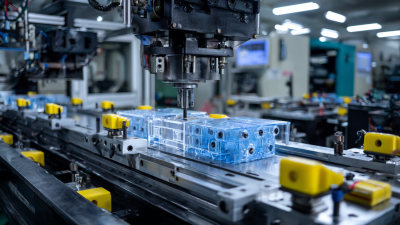
All-electric machines use coordinated servo motors instead of continuously running hydraulic pumps. This can reduce energy consumption, although savings depend on mold size, material, and cycle settings. Hot-runner systems also limit sprue waste and improve filling consistency.

In-mold pressure sensors detect changes during packing, while simulation software predicts weld lines, air traps, and warpage before steel is cut. These tools reduce trial-and-error, but they do not remove the need for experienced technicians.

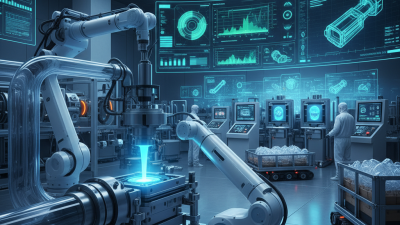
Automation is becoming more practical on the factory floor. Robots can remove parts, inspect surfaces, and separate rejects within seconds. Machine-learning systems can identify drift from temperature and pressure data. PlasticsEurope reported global plastics production above 400 million tonnes in 2023, increasing pressure for recycled-content processing and material traceability. Recycled polymers often vary more than virgin grades. That weakness is real. Manufacturers must adjust drying, temperature, and back pressure carefully. I would not call any process fully intelligent until it explains failures clearly.

How to Evaluate Global Injection Molding Manufacturers

How to Evaluate Global Injection Molding Manufacturers

Choosing a global injection molding manufacturer requires more than comparing hourly prices. Start with process capability. Request evidence of machine ranges, mold maintenance, dimensional inspection, and production traceability. A capable supplier should provide sample inspection reports, material certificates, and clear corrective-action records. During plant visits, observe resin storage, mold changeover, and operator training. Small details matter.

PlasticsEurope’s Plastics—the Fast Facts 2024 reports global plastics production reached about 414 million tonnes in 2023. This scale increases pressure on manufacturers to control waste, energy, and recycled content. Ask for measured scrap rates, energy data per part, and documented environmental procedures. Certifications can support credibility, but they are not proof of daily discipline. Verify them independently.

Cost is only one variable. Compare tooling ownership, sampling charges, packaging, logistics, payment terms, and warranty limits. The International Federation of Robotics reported continued growth in industrial robot installations, showing why automation and data systems deserve evaluation. Still, automation cannot repair poor mold design. Review tolerances, cycle-time studies, and production capacity under peak demand. A polished presentation may hide weak process control. I would also test communication during a small pilot order; slow technical replies often predict larger problems.

Top Injection Molding Manufacturers Worldwide? - How to Evaluate Global Injection Molding Manufacturers

Evaluation Dimension What to Verify Relevant Industry Evidence or Standard Practical Benchmark Suggested Weight
Quality Management Documented quality procedures, internal audits, corrective-action processes, and traceability from raw material to finished part. ISO 9001 certification; documented inspection and nonconformance procedures. Current certification, controlled work instructions, lot traceability, and measurable corrective-action closure. 15%
Industry-Specific Compliance Ability to meet regulatory and customer requirements for the intended application. ISO 13485 for medical devices; IATF 16949 for automotive supply chains; applicable regional product regulations. Certification should match the target industry and the manufacturing site used for production. 12%
Machine Capability Clamping-force range, shot size, injection pressure, platen dimensions, tie-bar spacing, and machine age. Machine specifications supplied by the equipment manufacturer and verified during a technical review. Equipment capacity should cover the part’s projected area, material, shot weight, mold size, and safety margin. 10%
Material Expertise Experience processing commodity, engineering, reinforced, flame-retardant, recycled, and bio-based thermoplastics. Material supplier technical data sheets, processing windows, drying records, and resin lot controls. Validated processing parameters and documented controls for moisture, regrind percentage, additives, and color. 10%
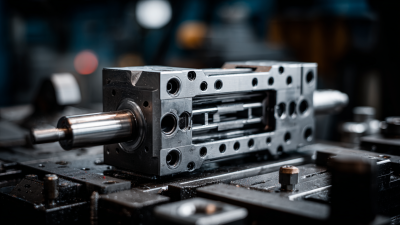
Tooling and Mold Engineering Design-for-manufacturing review, mold-flow analysis, mold construction, maintenance, and spare-part planning. Mold drawings, design review records, dimensional reports, and preventive-maintenance schedules. Clear ownership of mold data, defined maintenance intervals, and documented acceptance criteria before production. 10%
Dimensional Control Measurement equipment, gauge capability, inspection frequency, and control of critical-to-quality dimensions. ISO 17025 calibration records; GD&T inspection reports; capability studies such as Cp and Cpk. Calibrated equipment, approved measurement methods, and capability targets agreed with the customer. 10%
Production Capacity Available machine hours, staffing, maintenance coverage, planned utilization, and ability to support volume changes. Capacity model, production schedules, downtime records, and documented subcontracting controls. Capacity is demonstrated with realistic cycle time, yield, changeover, maintenance, and demand assumptions. 8%
Process Stability Control of temperature, pressure, speed, cooling time, cycle time, and automated process alarms. Validated process parameters, statistical process control, first-article approval, and process-change records. Critical parameters are locked or controlled, deviations are recorded, and process changes require authorization. 8%
Testing and Validation Availability of dimensional, mechanical, thermal, appearance, leak, electrical, or functional testing as required. Applicable test methods, customer specifications, ASTM or ISO test procedures, and validated test equipment. Inspection plans cover incoming materials, in-process checks, final release, and periodic revalidation. 7%
Lead Time and Delivery Speed from quotation to design review, tooling, sampling, approval, and serial production. Historical delivery performance, order-confirmation records, production planning, and on-time delivery reports. Lead times are quoted by project phase with documented assumptions rather than a single unsupported estimate. 6%
Geographic and Logistics Coverage Manufacturing location, export experience, packaging controls, customs documentation, and regional support. Incoterms, freight plans, packaging specifications, export documentation, and business-continuity procedures. Defined shipping responsibility, protected packaging, reliable documentation, and contingency routes for disruptions. 5%
Sustainability and Resource Efficiency Energy management, scrap reduction, material recycling, water use, emissions reporting, and responsible sourcing. ISO 14001 environmental management; ISO 50001 energy management where applicable; waste and energy records. Supplier provides measurable energy, scrap, recycling, and waste-reduction data for the relevant production line. 5%
Commercial Transparency Clarity of tooling charges, piece price, material assumptions, secondary operations, packaging, inspection, and freight. Itemized quotation, payment terms, validity period, change-order rules, and ownership terms for tooling. All recurring and one-time costs are separated, with explicit assumptions for volume, resin, cycle time, and yield. 4%

Recommended assessment method: score each dimension from 1 to 5, multiply by the suggested weight, and confirm the result through documentation, sample parts, site audits, and reference checks.

Leading Regions in the Worldwide Injection Molding Industry

Asia-Pacific remains the leading region in the worldwide injection molding industry. Grand View Research estimates that the global injection molding machine market exceeded US$15 billion in 2023. Asia-Pacific held the largest share, supported by strong automotive, electronics, packaging, and consumer goods production. China is especially influential, with dense supplier networks and high-volume manufacturing capacity. India and Southeast Asia are also expanding, although infrastructure quality differs between industrial zones.

Europe competes through precision, automation, and demanding technical applications. Its manufacturers often serve medical, automotive, and engineered-plastic markets, where dimensional accuracy matters more than simple output volume. North America maintains a strong position through reshoring projects, advanced tooling, and proximity to major end users. MarketsandMarkets projects continued global machine-market growth at roughly 4% annually through the late 2020s. That pace is steady, not spectacular. It also hides regional differences.

Regional leadership is not measured by machine sales alone. Energy efficiency, mold maintenance, recycled-material processing, and workforce skills increasingly affect factory performance. A newer plant may produce more parts, but poor process control can still create scrap, delays, and inconsistent quality. Industry reports offer useful direction, yet their estimates vary by market definition and data year. Any serious comparison should examine local power costs, logistics, labor availability, and certification requirements before ranking a region.

Factors Shaping the Future of Injection Molding Manufacturing

Top Injection Molding Manufacturers Worldwide?

Factors Shaping the Future of Injection Molding Manufacturing

Injection molding is changing through smarter equipment, cleaner materials, and tighter process control. Experienced manufacturers now monitor barrel temperature, cavity pressure, cooling time, and cycle variation. These details expose defects before they become expensive production problems. A warped housing may begin with only three seconds of uneven cooling.

Automation is expanding, but it does not remove the need for skilled judgment. Robots can handle inserts, inspection, and part removal with consistent timing. Engineers still decide whether a defect comes from moisture, tool wear, poor venting, or unstable resin flow. Digital twins and sensor dashboards improve visibility, although their accuracy depends on reliable factory data. Bad data still produces confident mistakes.

Sustainability is also reshaping supplier decisions. Manufacturers are reducing scrap, recovering process heat, and testing recycled or bio-based polymers. Material changes require fresh validation because strength, color, and shrinkage can shift between batches. Energy use matters too, especially during long production runs with heated molds. No factory gets every decision right. A rushed automation project may increase downtime instead of reducing it. That weakness deserves attention.

Future-ready manufacturers will need documented trials, traceable materials, trained technicians, and transparent quality records. Customers increasingly expect measurable consistency, not attractive promises. Regional production may also grow as companies seek shorter supply chains and faster engineering support. However, local capacity alone cannot solve every risk. Tooling expertise, maintenance discipline, and honest communication remain decisive. Progress will be practical, uneven, and sometimes uncomfortable.