

Essential Tips for Understanding Electrical Steel Properties?

Understanding the properties of Electrical Steel is crucial for many industries. This material is often used in motor and transformer cores. Its efficiency impacts energy conversion and performance.

Electrical Steel has unique characteristics that differentiate it from other materials. For example, its magnetic properties can improve motor efficiency. However, not all Electrical Steel is created equal. Variations exist based on alloys and processing methods.

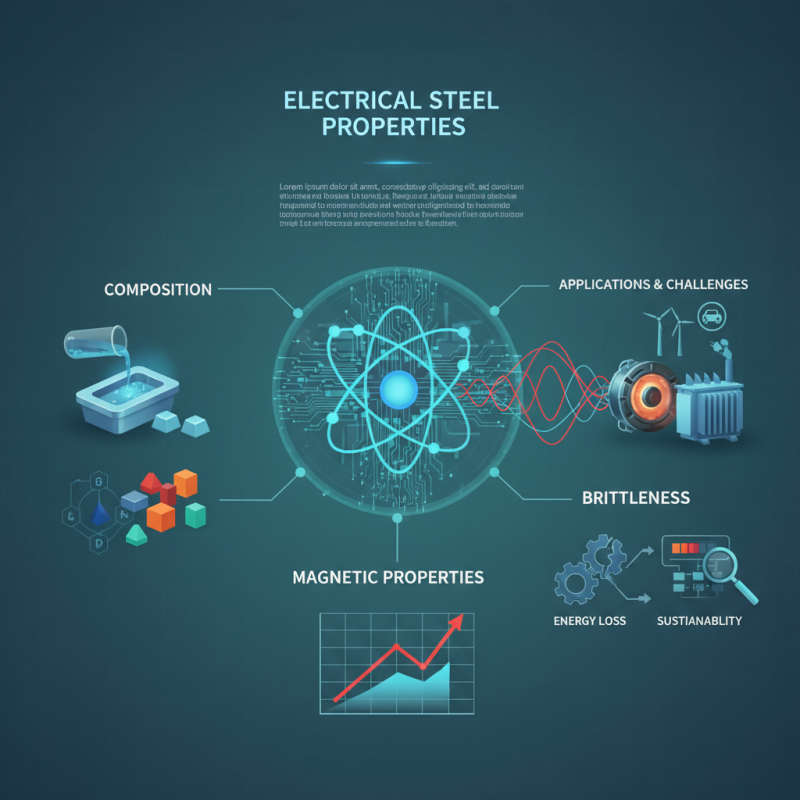
Moreover, it's essential to grasp how these properties affect applications. Common issues include energy loss and material brittleness. Identifying the right type for specific needs can be challenging. Continuous improvement and innovation in this field are necessary to meet growing demands. Understanding Electrical Steel is not just about the material; it’s about optimizing performance and sustainability.
Essential Tips for Understanding Electrical Steel Properties?

Understanding the Importance of Electrical Steel in Industry

Electrical steel plays a vital role in various industries, particularly in the production of transformers, motors, and generators. These applications demand materials that minimize energy losses and ensure optimal performance. Understanding the properties of electrical steel is crucial for manufacturers aiming to improve their products and efficiency.

When selecting electrical steel, consider its magnetic properties. High permeability is essential for efficient operation. Pay attention to the grain orientation as well, since it influences the steel's magnetic resistance. Some types perform better than others under specific conditions. It’s a fine balance, and miscalculations can lead to faults. Don't underestimate the impact of heat treatment; it can enhance performance but may also affect durability if overdone.

Tips to remember: always test materials before committing to large orders. Sample runs can save time and resources. Also, keep in mind the cost versus performance equation. Sometimes, cheaper options may lead to inefficiency later. Don't let initial savings cloud the long-term perspective. Awareness of these factors is key to making informed decisions in the industry.

Key Properties of Electrical Steel for Performance Evaluation

Understanding the key properties of electrical steel is crucial for evaluating its performance. This specialized steel is designed for electrical applications, primarily in transformers, motors, and generators. Its main properties include high permeability, low core loss, and excellent mechanical strength. These characteristics ensure efficient energy conversion and reduced waste during operation.

Tips for evaluating electrical steel include checking its magnetic properties. High permeability allows for better magnetic field establishment. Lower core loss is vital for minimizing heat generation during operation. Mechanical strength should not be overlooked, as it impacts durability and longevity.

When analyzing electrical steel, always consider factors like grain orientation. Grain-oriented steel improves performance significantly. However, the production process can be complex and costly. It's essential to weigh the benefits against the investment required. Understanding these nuances will help in making informed decisions for your applications.

Types of Electrical Steel and Their Applications

Electrical steel is crucial in various applications, especially in the electrical and automotive industries. There are two main types of electrical steel: silicon steel and non-oriented silicon steel. Silicon steel enhances permeability, making it efficient for transformers and electric motors.

Silicon steel contains about 3% silicon. This small amount improves the material's magnetic properties. It is commonly used in transformers, where efficient magnetic flux is essential. Non-oriented silicon steel is used in motors and generators. It's less sensitive to magnetic direction, which allows for smooth operation in multiple configurations.

Understanding the properties of electrical steel is vital. However, not all applications may benefit equally from each type. Sometimes, the choice of steel may lead to unforeseen challenges. A motor may struggle with efficiency despite using high-quality steel. These nuances are crucial for engineers and designers to consider when developing electrical devices.

Factors Affecting the Magnetic Properties of Electrical Steel

When selecting electrical steel, understanding its magnetic properties is crucial. The magnetic properties can vary significantly based on specific factors. Thickness plays a key role. Thinner sheets often have better magnetic characteristics. This is due to reduced losses during operation.

Additionally, the heat treatment process affects the steel’s magnetic performance. Proper annealing can enhance soft magnetic properties. However, not all treatment methods achieve the desired results. Some manufacturers may skip steps, leading to subpar outcomes.

Another factor is the alloying elements. These can influence permeability and saturation magnetization. Each element has unique effects. Too much of one can degrade overall performance.

Diversity in grain structure also impacts magnetism. Fine grain steel typically exhibits superior magnetic properties. However, managing grain size can be challenging. Producing high-quality electrical steel requires careful control and consistent practices.

Testing Methods for Assessing Electrical Steel Characteristics

Understanding the electrical steel properties is crucial for various applications. To accurately assess these properties, specific testing methods are essential. One common method is the measurement of magnetic permeability. This determines how well the steel can conduct magnetic fields. High permeability is often desired for efficient performance.

Another important technique is the evaluation of core losses. This involves determining energy losses in the steel during magnetization cycles. By analyzing core losses, engineers can optimize material selection. However, it’s easy to overlook discrepancies in test results. Variability in samples can lead to inconsistent data.

Mechanical testing is also significant. It assesses tensile strength and ductility, providing insights into the material's durability. The results can sometimes appear misleading if testing conditions aren’t standardized. Careful calibration of equipment is vital. Understanding the nuances in testing can help refine results and lead to better material choices.