How to Choose the Best Potato Chips Machine for Your Business?
Choosing the right potato chips machine for your business can be daunting. Many options are available, each with unique features. A suitable machine can significantly impact your production efficiency and product quality.
When evaluating different potato chips machines, consider your specific needs. Determine the scale of your operations, as this affects size and capacity. Some machines are compact and fit small spaces. Others are large, designed for high-volume production. Think about ease of use and maintenance. A complex machine might look appealing but can lead to frustration and downtime.
Investing in the right equipment is crucial. A poorly chosen machine may result in wasted time and resources. Be mindful of your budget, but don’t compromise on quality. Look for reviews and testimonials from other users. This process can be revealing and help you avoid common pitfalls. Ultimately, the right potato chips machine can set your business up for success.
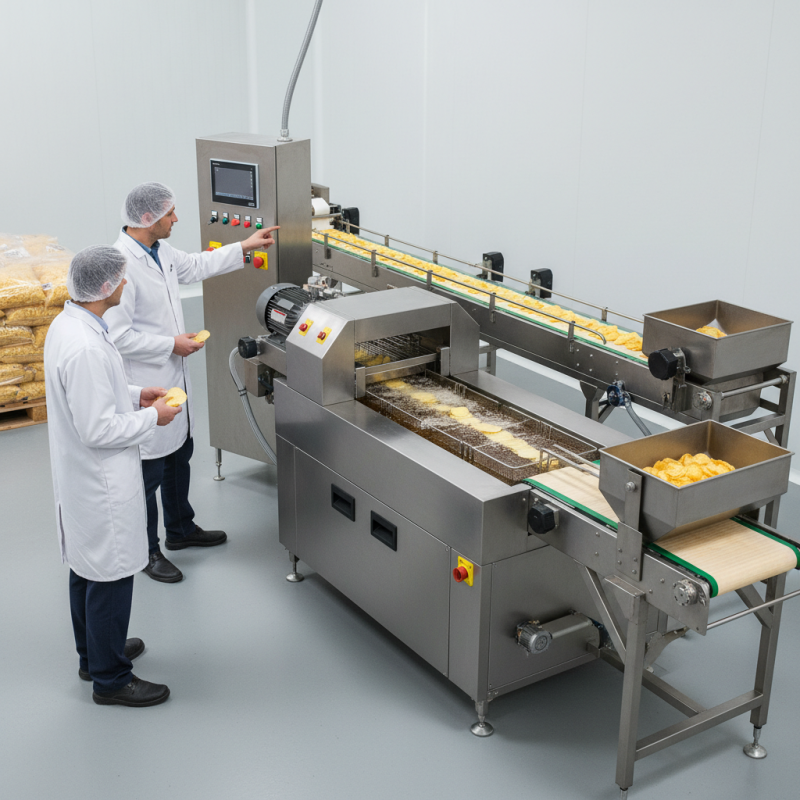
Understanding Your Business Needs for a Potato Chips Machine
When selecting a potato chips machine, it’s vital to understand your business needs. Consider the scale of production. Are you running a small local shop or a larger factory? A small operation may do well with a simpler, smaller machine. Larger businesses likely need more complex machines that handle high volumes.
Think about the type of chips you want to produce. Different machines cater to various styles, such as traditional or kettle-cooked chips. Each type has unique requirements, so choose accordingly. Some machines are versatile, but they might not specialize in one style.
Also, consider your budget. High-end machines offer more features, yet the return on investment should align with your business goals. Reflect on maintenance needs as well. Cheaper machines may require more repairs and attention over time. In contrast, pricier options might provide better reliability initially. Finding the right balance can be more challenging than it seems.
Key Features to Look for in a Potato Chips Machine
When selecting a potato chips machine, several key features can make a difference. Look for machines with adjustable temperature settings. This allows for better control over frying. Consistent frying temperature leads to evenly cooked chips. A timer feature can aid in monitoring cooking duration. This prevents overcooking and ensures quality.
The capacity of the machine is also important. Consider your production needs. A smaller machine might suit a local business. However, larger operations require machines with higher output. Take into account the space available for the equipment. A compact design may save space, yet larger machines often provide efficiency.
Durability matters as well. Machines made from stainless steel generally withstand wear and tear better. Regular maintenance is crucial to prolong the machine's life. Pay attention to the ease of cleaning too. Machines that are difficult to clean can lead to hygiene issues. Regular reflections on these aspects can help you pick a machine that meets your business needs.
Key Features to Look for in a Potato Chips Machine
This chart illustrates key features to consider when choosing a potato chips machine for your business, including capacity, power consumption, cooking time, retention time, and weight.
Comparing Different Types of Potato Chips Machines
When selecting a potato chips machine, understanding the different types available is crucial. A few key machines dominate the market. The batch fryer is popular for small production runs. It allows for quality control over each batch. On the other hand, continuous fryers handle larger outputs. They are ideal for high-demand operations, providing efficiency and consistency.
Tip: Consider your production volume. A batch fryer might suffice for a small business, but a continuous fryer can save time for larger brands.
Another option is the vacuum fryer. It’s known for retaining color and nutrients better than traditional frying methods. The investment can be higher, but the health-conscious market values these benefits. Some reports indicate that demand for healthier snacks is growing at 5.8% annually.
Tip: Assess your target market carefully. This will guide you in choosing between traditional and vacuum fryers.
Don’t overlook aspects like maintenance and energy consumption. Higher efficiency can translate to lower long-term costs. Some machines, while initially more expensive, may offer significant savings over time. Reflect on your operational needs and scalability when making your choice. Each machine type has its pros and cons. Balancing quality, production capacity, and cost is essential for your decision.
Assessing Your Budget and Return on Investment
When assessing your budget for a potato chips machine, start with realistic costs. Consider the purchase price and additional expenses. This includes installation, maintenance, and operating costs. A thorough analysis helps understand the true financial commitment.
Tips: Always prepare for unexpected costs. Maintenance can add up. Be mindful of energy consumption as well. This can impact your bottom line significantly.
Return on investment (ROI) is crucial. Calculate potential profits based on expected sales. Compare this with your total investment. Don't forget to factor in market demand. Trends can change quickly in the food industry.
Tips: Research your targeted audience. Their preferences shape your sales. Sometimes, it’s best to adjust your offerings based on feedback. A flexible approach helps in maximizing ROI. Regularly assess your financial performance to ensure sustainable growth.
Choosing a Reliable Supplier for Your Potato Chips Machine
When selecting a reliable supplier for your potato chips machine, it’s essential to conduct thorough research. Look for suppliers with a solid track record. Check online reviews and testimonials from past customers. This will give you insight into their reliability and product quality. You want a machine that functions consistently, but quality can vary significantly.
Communication is another critical aspect. A good supplier should be responsive and willing to answer your questions. If they hesitate or take too long to reply, it might be a red flag. Request technical support details as well. Is support available during your business hours? A reliable supplier should offer ongoing assistance after the sale.
Consider the supplier’s warranty and return policies. A long warranty period can be a sign of quality. However, read the fine print carefully. Some might have hidden clauses. It’s worth reflecting on what could go wrong. Think about spare parts availability too. The last thing you want is a machine that stands idle due to a missing component. This careful approach can greatly affect your business’s success.
How to Choose the Best Potato Chips Machine for Your Business? - Choosing a Reliable Supplier for Your Potato Chips Machine
| Feature | Importance | Considerations |
| Production Capacity | High | Ensure the machine meets your expected volume needs. |
| Energy Efficiency | Medium | Look for machines that minimize power consumption. |
| Ease of Use | High | User-friendly controls to simplify training and operations. |
| Quality of Output | High | Check for machines that produce consistently high-quality chips. |
| Maintenance | Medium | Consider machines that require minimal maintenance. |
| Supplier Reliability | High | Choose suppliers with good reviews and after-sales service. |