How to Choose the Right Pulses Cleaning and Grading Machine?
Choosing the right Pulses Cleaning And Grading Machine is crucial for ensuring quality in agricultural production. With various options available, it can be challenging to make an informed decision. This machine not only affects the quality of pulses but also impacts efficiency in processing.
When selecting a machine, consider the specific needs of your operation. Factors like capacity, technology, and ease of maintenance are vital. For instance, advanced models utilize intelligent systems to optimize cleaning processes. Additionally, the grading accuracy of pulses can significantly influence marketability.
Remember, the wrong choice may lead to costly mistakes. It’s essential to reflect on past experiences and seek advice from experts. Balancing between price and quality is key to preventing future regrets. An effective Pulses Cleaning and Grading Machine can enhance your productivity and ensure you meet market standards efficiently.
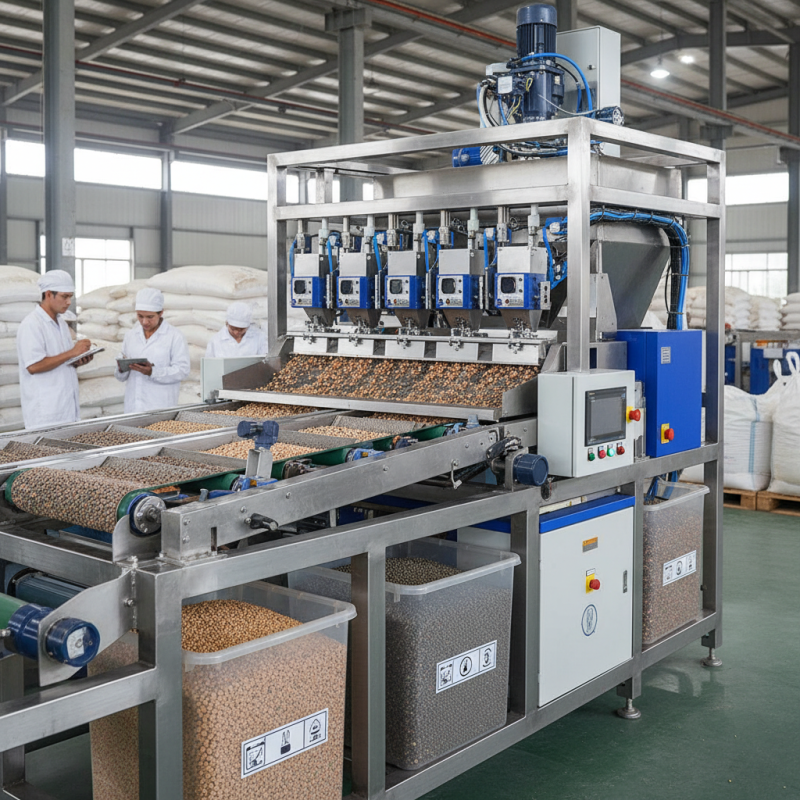
Understanding the Importance of Cleaning and Grading in Pulse Processing
Cleaning and grading pulses is crucial in the processing industry. This step enhances quality and minimizes impurities. Clean pulses lead to better market value. Grading ensures uniformity, making cooking consistent and efficient. When pulses contain dirt or unwanted materials, consumers will notice. A clean product attracts more buyers.
Choosing the right machinery can be difficult. Consider capacity, efficiency, and maintenance. A reliable machine will withstand constant use but may require initial investment. Look for features that enhance cleaning, such as air blowers or sieving systems. Get feedback from operators for insights on usability.
Tip: Regular maintenance is vital. Schedule cleaning sessions for machines to ensure optimal performance. Even slight malfunctions can lead to quality degradation. Also, remember that not all machines are suited for every type of pulse. Test equipment with samples before fully committing. These small steps can significantly influence the end product's success.
Key Features to Look for in Pulses Cleaning Machines
When selecting a pulses cleaning machine, focus on key features that enhance efficiency. Efficient cleaning is crucial for maintaining the quality of your product. Look for machines with adjustable air classifiers to separate lightweight impurities effectively. A study by the Food Processing and Technology Journal notes that well-designed classifiers can increase cleaning efficiency by up to 30%.
Consider machines with multiple grading options. This allows you to handle different pulse varieties without compromising on quality. Devices equipped with vibration systems can ensure uniform grading, which is vital for market standards. Remember, a machine that’s too complex may lead to operational challenges. It’s essential to balance technology and user-friendliness.
Tips: Regular maintenance checks are essential. Machines can lose performance over time. It’s worth investing in periodic reviews. Also, assess your cleaning requirements; a machine that’s too powerful may damage delicate pulses. Always consult industry insights. They can guide your decision-making process and help avoid costly errors.
How to Choose the Right Pulses Cleaning and Grading Machine? - Key Features to Look for in Pulses Cleaning Machines
| Feature | Description | Importance |
| Cleaning Efficiency | Ability to effectively remove impurities, dirt, and foreign materials. | High |
| Grading Accuracy | Precision in separating pulses by size and quality. | Critical |
| Capacity | The throughput of the machine, measured in tons per hour. | Medium |
| Durability | Material and build quality to withstand long-term use. | High |
| Ease of Maintenance | Simplicity in cleaning and servicing the machine. | Medium |
| Energy Efficiency | Power consumption relative to output efficiency. | High |
| User-friendly Interface | Intuitive controls for easy operation. | Medium |
Evaluating Grading Systems: Optical vs. Mechanical Methods
When selecting a pulses cleaning and grading machine, understanding the grading systems is vital. Optical and mechanical methods stand out. Optical systems use advanced cameras and sensors. They assess color, size, and shape quickly. Reports show that such systems improve accuracy by up to 30%. However, the initial investment can be significant.
Mechanical grading relies on physical methods like screens and air separation. This approach is often more affordable but may lack precision. The efficiency of mechanical systems can vary greatly. For instance, they sometimes miss small defects that optical systems can catch. Some manufacturers estimate that mechanical methods can result in a 10-20% loss of quality in certain pulses.
Despite advancements, both systems have their limitations. Optical systems can struggle in low-light conditions. Mechanical systems can wear down and require maintenance. Choosing the right technology requires careful consideration. Evaluating specific needs remains crucial to ensure optimal performance and quality.
Analyzing Throughput and Efficiency of Pulses Cleaning Equipment
Choosing the right pulses cleaning and grading machine is crucial. Analyzing throughput and efficiency can guide your decision. Data shows that optimal equipment can enhance output by over 30%. However, these gains depend on several factors. The quality of cleaning equipment affects the final product substantially.
Efficiency metrics vary widely. Some machines achieve a throughput of 2 tons per hour, while others only reach 1 ton. This discrepancy highlights the need for careful evaluation. A machine that appears efficient may struggle with certain pulse types, leading to bottlenecks. Testing different machines in real-world conditions can reveal hidden inefficiencies.
Consider the maintenance aspect as well. Regular upkeep can improve longevity and operational capacity. Equipment that requires frequent repairs can offset initial savings. Understanding your throughput requirements is critical. Without a thorough assessment, businesses may invest in machines that do not meet their actual needs. Each of these factors contributes significantly to the overall success of a pulses processing operation.
Maintenance and Cost Considerations for Pulses Processing Machines
When selecting a pulses cleaning and grading machine, maintenance is crucial. Regular upkeep ensures machines run efficiently. Dust and debris can accumulate, affecting performance. Neglecting this can lead to bigger issues. Machines should be inspected frequently for wear and tear. Small problems can escalate quickly if ignored.
Cost considerations are essential in the decision-making process. While lower-priced machines seem attractive, they might lack durability. Investing in quality equipment can save money in the long run. Consider the associated costs of repairs and downtime. Maintenance schedules can be tricky to manage without proper planning. Calculate potential costs before purchasing.
Finding a balance between price and quality is not easy. You might choose a cost-effective option, but it may not meet your needs. Look for machines that are easy to maintain. Sometimes, paying a bit more upfront leads to fewer headaches. Think critically about your requirements. Make a choice that aligns with your operational goals.
Comparison of Pulses Cleaning and Grading Machine Types