Why Choose a Rubber Air Hose for Your Compressed Air Needs?
In the world of industrial applications, the choice of hoses for compressed air systems plays a crucial role. A rubber air hose stands out due to its balance of durability and flexibility. According to the National Institute for Occupational Safety and Health (NIOSH), improper hose selection can lead to inefficiencies and safety hazards in the workplace. A high-quality rubber air hose can withstand harsh conditions more effectively than many alternatives.
The versatility of rubber air hoses is another notable aspect. They can handle a wide range of temperatures and pressures, making them suitable for diverse applications. Industry statistics indicate that rubber hoses can maintain optimal performance across temperatures from -40°F to 190°F. However, not every rubber air hose is created equal. Consumers often overlook the specifications and compatibility factors that are critical to safe operation.
While many businesses rely on rubber air hoses, it's essential to reflect on their upkeep and potential wear over time. Regular inspections for signs of degradation can prevent costly downtime. Users may sometimes underestimate the importance of proper maintenance, which can lead to accidents and inefficiencies. Investing in a high-quality rubber air hose is an important decision for safety and productivity in compressed air systems.
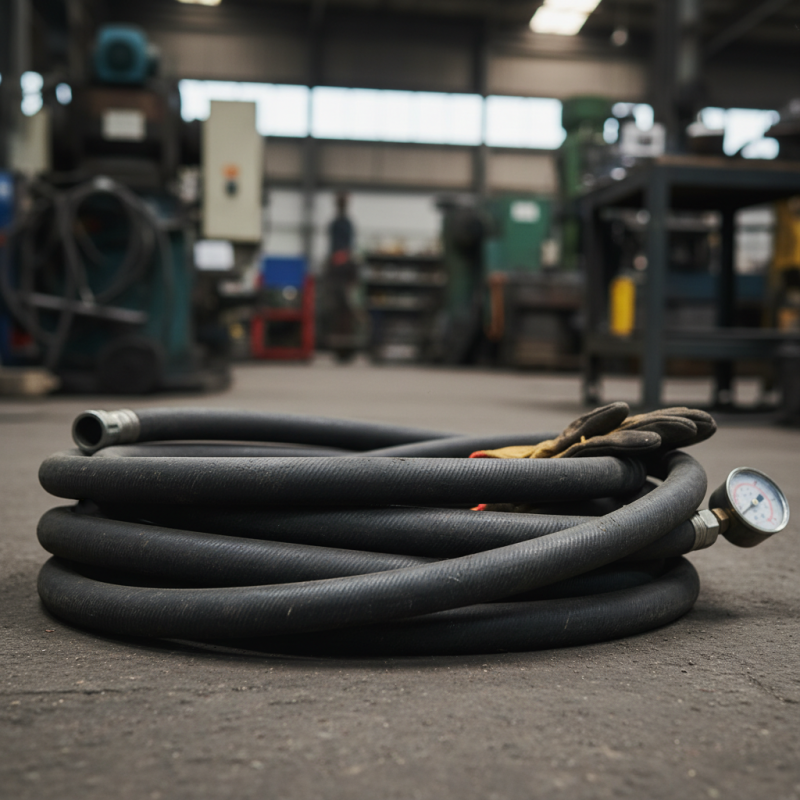
Benefits of Using Rubber Over Other Hose Materials
Rubber air hoses are gaining popularity in the industry. They outperform other materials in many key aspects. One prominent advantage is their flexibility. This allows easy maneuverability in tight spaces. According to industry reports, rubber hoses can operate in temperatures ranging from -20°F to 200°F. This wide range makes them suitable for various conditions.
Durability is another significant benefit. Rubber air hoses resist wear and tear better than plastic or PVC options. They can withstand impacts and abrasion in harsh environments. A recent study shows that rubber hoses have a lifespan up to 50% longer than their PVC counterparts. This longevity translates to lower replacement costs over time.
Moreover, rubber hoses are resistant to kinks. This is a common issue with other materials, leading to air flow restrictions. The reduced risk of kinking is vital for maintaining optimal performance. However, some users report that rubber can be heavier and more challenging to handle. Reflecting on this, weighing the pros and cons of rubber versus other hose materials is essential for making informed choices.
Understanding Compression and Airflow in Rubber Hoses
Rubber air hoses are a popular choice for compressed air applications. They offer flexibility and durability. Understanding how compression works is vital. When air is compressed, it occupies less space. This pressurized air can then be used for various tools and equipment.
Airflow in rubber hoses is affected by their construction. A smooth interior allows for better airflow. If the interior is rough or damaged, it can slow down the air. This can lead to decreased efficiency. You might notice a drop in pressure if the hose is too long or kinked. These details are essential for optimal performance.
It is also crucial to consider the hose diameter. A hose that is too narrow can restrict airflow. This can cause problems during heavy use. Likewise, too wide means unnecessary weight and bulk. Finding the right balance may take time and experimentation. Rubber hoses offer flexibility in both use and maintenance, but regular checks for wear and tear are necessary.
Durability and Longevity of Rubber Air Hoses
Rubber air hoses are known for their durability and longevity. They can withstand harsh environmental conditions, making them ideal for various applications. According to industry reports, rubber hoses often last 50% longer than their PVC counterparts. This longevity is crucial for businesses looking to minimize maintenance costs.
Investing in a quality rubber air hose can significantly reduce downtime. With consistent use, they maintain flexibility even in extreme temperatures. This characteristic ensures reliable performance when you need it the most. However, not all rubber hoses are created equal. It's essential to select one that meets your specific requirements.
Tips: Regularly inspect your rubber air hose for any signs of wear. Look for cracks or abrasions that could compromise performance. Also, avoid sharp bends to reduce stress on the material. Proper storage is equally important; keep hoses out of direct sunlight to enhance their lifespan.
Temperature and Pressure Ratings of Rubber Air Hoses
When it comes to choosing a rubber air hose, understanding temperature and pressure ratings is crucial. Rubber hoses are designed to handle a wide range of temperatures. They can withstand high heat and intense cold without degrading. This is especially important in industrial settings. Fluctuating temperatures can affect the hose's performance.
Pressure ratings are just as vital. A hose rated for high pressure can handle the demands of heavy machinery. Using a hose compatible with your air compressor's specifications ensures safety and efficiency. If the pressure rating is not sufficient, the hose may burst. This can lead to costly repairs and even injuries.
Additionally, it's worth noting that rubber hoses can be heavy and unwieldy. Sometimes, they can kink, leading to reduced airflow. Proper handling and storage are essential to avoid these issues. Users often underestimate the importance of maintaining their hoses. Regular inspections can prevent accidents and extend the life of the hose.
Maintenance Tips for Rubber Air Hoses in Compressed Air Systems
Rubber air hoses are popular for compressed air systems due to their flexibility and durability. However, proper maintenance is essential to keep them functioning well. Regular inspection is crucial. Look for signs of wear or damage. Cracks or abrasions can lead to leaks, reducing efficiency.
It’s also important to store hoses properly. Avoid sharp bends or kinks when coiling them. This can lead to internal damage over time. Clean the hose regularly to remove dust and debris. A clean hose will perform better and last longer.
If you notice any performance issues, don’t ignore them. Sometimes, the problem may seem minor, yet it can escalate quickly. Performing routine checks, such as testing for air leaks, can prevent major problems. Maintenance is an ongoing process that requires attention and care.
Why Choose a Rubber Air Hose for Your Compressed Air Needs? - Maintenance Tips for Rubber Air Hoses in Compressed Air Systems
| Dimension | Details |
| Material | Rubber |
| Maximum Pressure | 300 PSI |
| Temperature Range | -40°F to 200°F |
| Inner Diameter | 1/2 inch |
| Outer Diameter | 0.71 inch |
| Weight | 1.5 lbs per 50ft |
| Common Uses | Air compressors, pneumatic tools, spray painting |