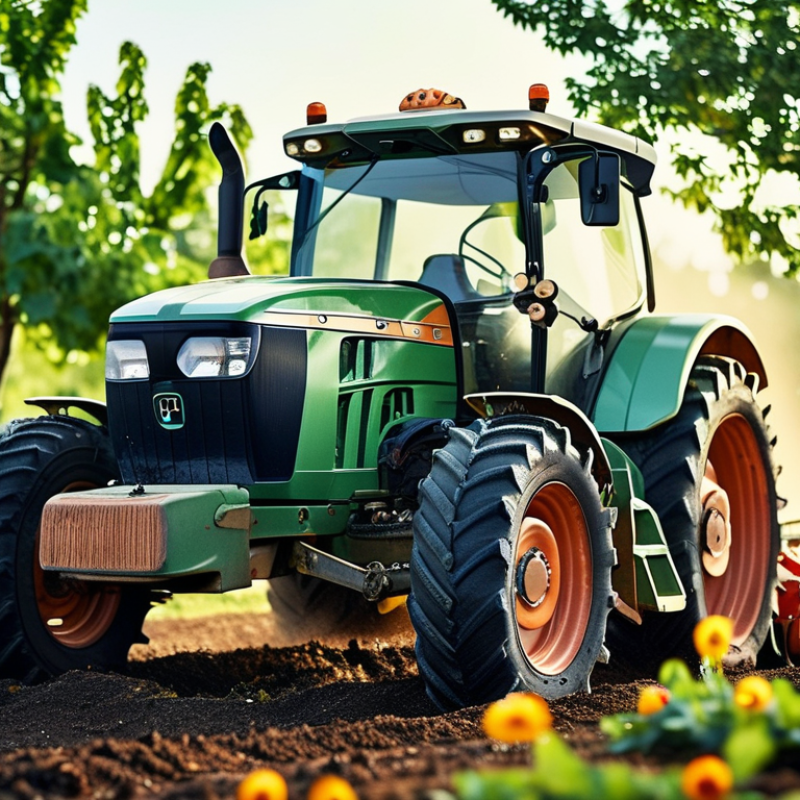
Why Choose a Roto Tiller for Your Gardening Needs?
Roto Tillers have become essential tools for gardeners. They simplify soil preparation and enhance plant growth. According to a report by the American Horticultural Society, 75% of gardeners believe that efficient soil management is crucial for healthy plants.
Using a Roto tiller promotes better aeration and nutrient distribution in the soil. Studies show that well-aerated soil can increase plant yield by up to 30%. This is especially important for small-scale farmers looking to maximize their productivity. However, improper use can lead to soil compaction or damage to soil health, highlighting the need for skillful operation.
When choosing a Roto tiller, consider your garden's size and soil type. Different models serve unique purposes. For example, electric versions are quieter and more environmentally friendly. In contrast, gas models offer more power for larger areas. Understanding these differences can influence your gardening success.
Benefits of Using a Roto Tiller for Gardening
A roto tiller is an essential tool for any gardener seeking efficiency and effectiveness. According to the National Gardening Association, 35% of gardeners improved their soil quality by using tillers, promoting healthier plant growth. A roto tiller breaks up compacted soil, allowing air and nutrients to penetrate better. This can result in a 20% increase in crop yield compared to manually cultivated gardens.
Users often report that tillers save substantial time and effort. Many have expressed that they complete tasks in half the time it would take using traditional methods. This is particularly valuable for larger gardens where physical labor can be overwhelming. However, not all gardeners find them easy to use at first. It can take time to master the technique, and some may even struggle with soil that is too wet or too dry. A soil moisture meter could be a helpful tool here.
Moreover, while roto tillers provide benefits, they can disrupt soil organisms. Soil health is vital for sustainable gardening. Thus, gardeners must balance tilling with practices that protect vital soil life. As gardening evolves, the conversation around tools like roto tillers continues, pushing for more eco-conscious approaches. Engaging with community gardening forums can offer diverse insights into the effective integration of tillers in various soil types.
How Roto Tillers Enhance Soil Preparation
Roto tillers play a vital role in enhancing soil preparation for gardening. A healthy garden starts with good soil. Conventional methods like hand tilling are often labor-intensive and time-consuming. Roto tillers save both effort and time, making it easier for gardeners to cultivate their plots effectively. According to a study by the National Gardening Association, 40% of gardeners believe that proper soil preparation significantly affects crop yields.
Soil structure is crucial for moisture retention and aeration. Roto tillers break up compacted soil, allowing air and water to penetrate. This improves root development for plants. A report from the Soil Science Society states that well-tilled soil can increase organic matter by up to 30%. This organic matter enhances nutrient availability, benefiting plant growth immensely.
However, over-tilling can lead to soil degradation. This is a common oversight among novice gardeners. It can strip away beneficial microorganisms crucial for maintaining soil health. Understanding the balance is essential. Roto tillers are efficient, but mindfulness is necessary to avoid detrimental practices. The goal is to find the right technique that aligns with sustainable gardening.
Comparison of Soil Preparation Methods
Types of Roto Tillers: Choosing the Right One for Your Garden
When considering a roto tiller for your garden, understanding the various types is crucial. There are generally three types: front-tine, rear-tine, and mini tillers. Each type serves different gardening needs. For instance, rear-tine tillers typically provide the most power. They are ideal for breaking new ground, especially in tougher soils. According to a report from the American Society of Agricultural and Biological Engineers, the right tiller can increase soil mixing effectiveness by as much as 30%. This efficiency can significantly enhance plant growth.
Front-tine tillers, on the other hand, are lighter and suited for smaller gardens. They are easier to maneuver, especially in tighter spaces. Mini tillers, while not as powerful, are perfect for weeding and maintaining existing beds. They can be a practical choice for urban gardeners with limited space. Each type has its strengths and weaknesses, and needs to be matched to your specific gardening tasks.
Selecting the right tiller depends on various factors, including garden size and soil condition. A tiller that’s too powerful may be cumbersome in small areas. Conversely, a lighter model might struggle with denser soils. A soil test is advisable. It can provide pH and nutrient levels, helping to guide your choice. This reflection can lead to better decision-making and ultimately, a more fruitful garden.
Maintenance Tips for Your Roto Tiller
Maintaining a roto tiller is essential for optimal performance. A well-maintained tiller can last for years, making it a worthwhile investment for gardeners. Industry experts suggest that regular maintenance can extend the lifespan of gardening equipment by up to 30%. This significantly reduces long-term costs and enhances your gardening efficiency.
Cleaning your tiller after each use is crucial. Soil and debris can accumulate on the blades and engine, leading to rust and corrosion. A quick wipe down and inspection can catch small issues before they become major problems. Additionally, checking the oil levels regularly ensures smooth operation. Changing the oil after every 50 hours of use is a common guideline in the industry.
Another important aspect is sharpening the tines. Dull tines can lead to poor performance and increased strain on the engine. To sharpen tines, you can use a metal file. Regularly inspecting the air filter is also vital. A dirty air filter can reduce engine efficiency by up to 15%. Investing time in these maintenance practices pays off in the long run, leading to healthier garden yields.
Why Choose a Roto Tiller for Your Gardening Needs? - Maintenance Tips for Your Roto Tiller
| Feature | Benefits | Maintenance Tips |
| Power | Efficiently breaks up tough soil | Regularly check spark plug for wear |
| Versatility | Suitable for various gardening tasks | Clean tiller tines after each use |
| Adjustable Depth | Allows for customization based on crop needs | Lubricate moving parts regularly |
| Ease of Use | User-friendly with intuitive controls | Check and replace air filter as needed |
| Durability | Made from high-quality materials for long life | Store in a dry place to prevent rust |
Common Gardening Tasks Made Easier with Roto Tillers
When it comes to gardening, a roto tiller can significantly streamline common tasks. Turning over the soil with a hand trowel can be tiring and time-consuming. A roto tiller quickly breaks up compacted ground. It mixes organic matter into the soil efficiently. This not only saves time but ensures a healthy growing environment for plants.
Preparing garden beds becomes much easier with a roto tiller. Instead of an exhausting backache from hand tilling, you can achieve a finely tilled garden bed in minutes. Many gardeners face challenges such as rocky soil or dense clay. A roto tiller handles these issues with ease, breaking through tough layers and creating a more manageable soil texture.
However, using a roto tiller is not without its challenges. Beginners may find it awkward to maneuver at first. The size and power of the machine require some getting used to. A little practice can lead to better results, but it’s essential to start slowly. Over-tilling can damage the soil structure, which is something to consider. With patience and respect for the soil, a roto tiller can transform your gardening experience.