2026 Best Industrial Network Switch Features and Benefits?
In the rapidly evolving world of industrial networking, the choice of an industrial network switch is crucial. These devices serve as the backbone of communication for various industries. They ensure seamless data flow, making operations efficient and reliable. A quality industrial network switch can endure harsh conditions. It operates under extreme temperatures and resists dust and moisture.
Understanding the features of industrial network switches helps companies make informed decisions. Advanced functionalities such as Power over Ethernet (PoE) support contribute to flexibility in installations. However, not all switches are created equal. Some may lack essential features, leading to connectivity issues. It's essential to evaluate the specific needs of your environment.
The benefits of choosing the right industrial network switch extend beyond connectivity. They can influence productivity and safety in operational settings. Investing in a reliable switch means minimizing downtime and enhancing overall performance. Yet, one must also be cautious. A poor choice can lead to scalability challenges and increased costs in the long run. Thus, careful consideration is vital when selecting the best industrial network switch for your needs.
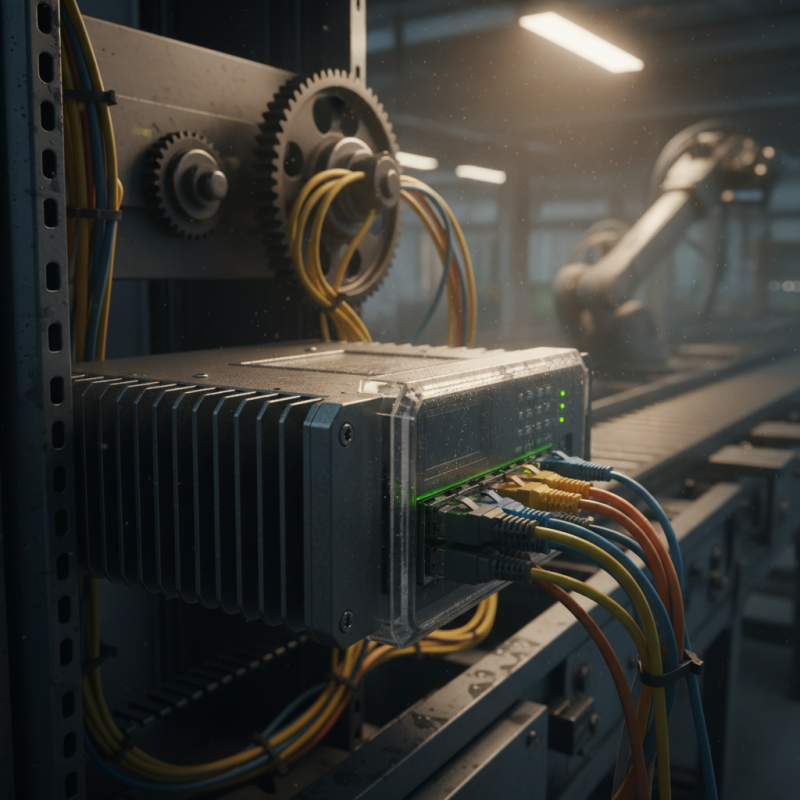
Key Features of Industrial Network Switches in 2026
In 2026, industrial network switches are becoming vital in various sectors. The demand for faster data transmission and higher reliability shapes these devices. Key features include rugged designs, high port density, and advanced security. A recent industry report noted that 40% of enterprises now prioritize security protocols in their selection process.
Rugged designs allow switches to function under extreme conditions. This feature is crucial for industries like manufacturing and energy. Many switches now boast IP67 ratings, meaning they are dust-tight and can withstand water immersion. Yet, some organizations overlook these aspects during procurement. They may prioritize cost over durability, leading to frequent replacements.
Security is another pressing concern. With rising cybersecurity threats, switches must offer robust security features. Encryption and secure boot are becoming standard. Surprisingly, only 55% of companies regularly update their network security measures. This oversight can expose them to risks.
**Tips:** When selecting a switch, prioritize ruggedness based on your environment. Conduct regular audits of your network security protocols. Don’t wait for a breach to assess your defenses.
Benefits of Using Industrial Network Switches in Modern Industries
In modern industries, the advantages of using industrial network switches are significant. They provide reliable connectivity in harsh environments. These switches can withstand extreme temperatures and vibrations. Such durability ensures that data transmission remains uninterrupted.
Industrial environments often have unique challenges. Electromagnetic interference can disrupt communication. Industrial switches are designed to filter out this noise. As a result, networks remain stable. This stability is crucial for operations relying on real-time data exchange.
Moreover, these switches offer advanced management features. Users can monitor network performance effectively. With built-in redundancy, the risk of downtime decreases. However, the complexity of configuration can be overwhelming for some users. Understanding the full range of features may require additional training. Ultimately, investing in proper education can enhance the effectiveness of these systems.
2026 Best Industrial Network Switch Features and Benefits
| Feature | Description | Benefits |
| Durable Design | Robust housing capable of withstanding harsh industrial conditions. | Increased longevity and reduced replacement costs. |
| PoE (Power over Ethernet) | Enables power supply and data transmission through a single cable. | Reduced cable clutter and simplified installation. |
| Wide Temperature Range | Operational efficiency in extreme temperatures. | Versatile deployment in various environments. |
| Redundancy Features | Includes features like ring topology and dual power supplies. | Enhanced network reliability and uptime. |
| Managed Switch Capabilities | Allows for advanced network monitoring and management. | Improved network performance and troubleshooting. |
| High Bandwidth | Supports fast data transfer rates. | Supports data-intensive applications and reduces latency. |
Comparison of Managed vs. Unmanaged Industrial Network Switches
When choosing between managed and unmanaged industrial network switches, it’s important to understand their core differences. Managed switches offer advanced features. They allow for configuration and monitoring. You can adjust settings remotely. This capability is beneficial for network management.
Unmanaged switches, on the other hand, are simpler. They provide plug-and-play functionality. This simplicity might seem appealing for quick setups.
However, unmanaged switches can lead to potential issues. Without monitoring, you can’t analyze traffic effectively. The lack of control may result in performance bottlenecks. In a rapidly changing environment, this can be a significant drawback. Managed switches help in troubleshooting. They provide insights into network health, but they come with a learning curve.
The expense of managed switches can be a sticking point. Not every project has the budget for this investment. Potential users need to weigh the costs against advantages. Sometimes, the added features may not justify the price. Balancing functionality with expenditure can be challenging but necessary.
Impact of Industrial Network Switches on Network Reliability and Performance
Industrial network switches play a vital role in enhancing network reliability and performance. These devices manage data flow between various industrial devices, ensuring seamless communication. A reliable network switch can significantly reduce downtime. This is crucial for industries where every second counts, like manufacturing and transportation.
Choosing the right industrial switch is not always straightforward. Factors such as environmental conditions, required speed, and data volume require careful consideration. High-performance switches can handle large data packets efficiently. However, they often come with increased complexity. This can lead to configuration issues for less experienced personnel. Sometimes, simplicity is overlooked in the rush for speed.
In many cases, network issues arise from incorrect switch setup. Regular maintenance is also essential but often neglected. The impact of these oversights can lead to network failures. Even with advanced equipment, human error can compromise system integrity. Regular training for staff can mitigate these risks. Ultimately, the effectiveness of industrial network switches depends not only on technology but also on how well users understand and utilize their features.
Future Trends in Industrial Network Switch Technology for 2026
The future of industrial network switches is evolving rapidly. In 2026, expect smarter devices that enhance connectivity. These switches will likely integrate AI for predictive maintenance. They could reduce downtime and improve operational efficiency significantly.
Security will remain a top concern. Enhanced cybersecurity features are essential for protecting sensitive data. As threats evolve, switches will need robust defenses. Zero Trust architecture might be a vital element. This approach limits access based on real-time assessments.
The rise of IoT will further influence design. Devices will need to handle increased traffic and diverse protocols. Scalability will be critical. Manufacturers may face challenges in keeping up with user demands. Overall, innovation will shape the landscape, but adaptation will require ongoing effort.