Why Choose a Vfd for Your Water Pump System?
In the world of water pump systems, the choice of a Variable Frequency Drive (VFD) is often pivotal. Industry expert Dr. Emily Carter, a leading authority on pump technology, states, "Implementing a Vfd For Water Pump systems greatly enhances efficiency and control." This highlights the importance of VFDs in optimizing pump performance.
A VFD for water pump not only regulates speed, but it also adapts to varying demand. Such adaptability minimizes energy consumption. Additionally, VFDs can reduce mechanical stress on pumps, increasing their lifespan. However, selecting the right VFD requires careful consideration. Not all systems benefit equally, and improper installation can lead to inefficiencies.
Despite the advantages, some users remain hesitant. Concerns about upfront costs and complexity are common. It's crucial to weigh these factors against the long-term benefits. Ultimately, embracing a VFD for water pump applications can revolutionize water management systems, promoting sustainability and efficiency.
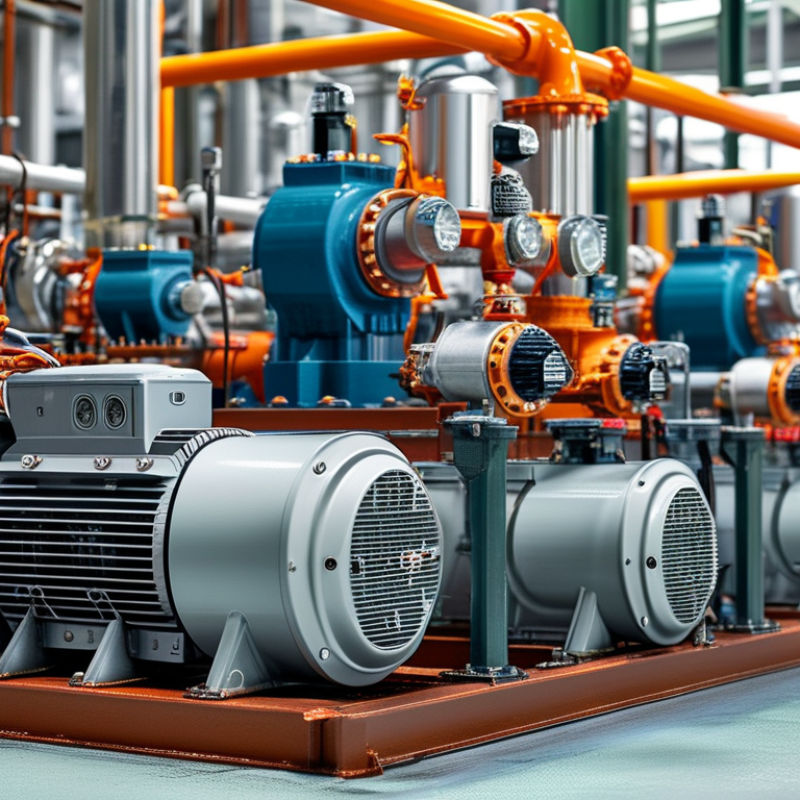
Benefits of Using Variable Frequency Drives (VFDs) in Water Pump Systems
Variable Frequency Drives (VFDs) are transforming water pump systems. They provide great efficiency by adjusting motor speed to match demand. This leads to energy savings, which is crucial in today's world. A properly configured VFD can significantly reduce energy costs.
VFDs also enhance the lifespan of pump systems. By controlling the motor speed, they minimize wear and tear on components. This results in lower maintenance costs and fewer service interruptions. However, implementing VFDs can pose challenges. Improper setup can lead to performance issues or even equipment damage. It’s essential to consult with experts to ensure optimal performance.
Moreover, VFDs offer better control over water flow rates. This flexibility allows for adjustments during peak and off-peak hours. However, monitoring systems must be in place to avoid over-adjustments. Proper training for personnel is also vital. By addressing these factors, VFDs can deliver immense benefits while enhancing system reliability.
Key Performance Metrics: Efficiency Improvements from VFD Implementations
Variable Frequency Drives (VFDs) have transformed water pump systems by enhancing operational efficiency. These devices adjust the motor speed. This leads to significant energy savings. For many systems, energy consumption can drop by over 30% with a VFD in place. This is a substantial improvement in performance metrics.
VFDs allow precise control of water flow, responding to real-time demands. This adaptability also means reduced wear and tear on the pump system. With fewer mechanical stresses, maintenance needs become less frequent. However, initial setup costs can be high. This puts pressure on immediate budget considerations. It's essential to weigh the long-term savings against these upfront investments.
Another aspect to consider is system response times. While VFDs provide beneficial control, they may introduce complexity. User training becomes vital to ensure optimal operation. Some operators may struggle to fully harness the potential. Continuous education and gradual implementation can help in this regard. Adopting VFD technology might not be without challenges, but the efficiency gains are worth exploring.
Efficiency Improvements from VFD Implementations in Water Pump Systems
Cost-Effectiveness: Analyzing ROI of VFD for Water Pump Operations
Using Variable Frequency Drives (VFDs) in water pump systems can lead to significant cost savings. VFDs adjust the motor speed based on the water demand. This leads to lower energy consumption, especially in systems with variable loads. Over time, the reduction in energy bills can be substantial. Investing in VFDs can often lead to a return on investment that pays off within a few years.
However, the initial cost of installing VFDs may be a concern for some. While they offer long-term savings, the upfront expenses can be daunting. It's important to analyze the specific needs of the water pump system. Some pumps may not require the precision VFDs provide. If a pump operates consistently at full capacity, the benefits may not justify the costs. Additionally, maintenance and repair of VFDs can add to overall expenses.
Consideration of durability is also vital in this decision process. Not all VFDs are created equal. Their performance can vary significantly based on the manufacturer and environmental conditions. Continuous monitoring and adjustments may be required to maintain optimal performance. Evaluating the long-term benefits against these concerns will help make an informed choice.
Why Choose a Vfd for Your Water Pump System? - Cost-Effectiveness: Analyzing ROI of VFD for Water Pump Operations
| Dimension | Value | Comments |
| Initial Investment | $10,000 | Cost to install VFD |
| Annual Energy Savings | $2,500 | Estimated yearly savings |
| Maintenance Savings | $500 | Reduced wear and tear |
| Payback Period | 4 years | Time to recoup initial costs |
| Total ROI | 25% | Return on investment over 5 years |
| Longevity Improvement | 30% | Extended life of pump |
Impact on Energy Consumption: VFDs vs. Traditional Pump Control Methods
Variable Frequency Drives (VFDs) are revolutionizing water pump systems. They allow for precise control over pump speeds. This adaptability directly impacts energy consumption. Compared to traditional control methods, VFDs optimize the motor speed. This can lead to substantial energy savings.
Traditional pumps run at constant speeds. They waste energy when not operating at full capacity. VFDs adjust based on actual demand. This means less energy is used during low-flow scenarios. Users often notice lower utility bills over time. However, initial costs for VFD installations can be high.
Adopting VFD technology also requires rethinking maintenance practices. Users need training to understand new functionalities. Mismanagement can lead to inefficiencies, undermining potential savings. Being proactive in technology training is essential. Implementing VFDs is not just a shift in equipment, but a shift in thinking about energy use and system performance.
Reliability and Longevity: How VFDs Enhance Water Pump Lifespan and Maintenance
Variable Frequency Drives (VFDs) play a crucial role in enhancing the reliability and longevity of water pump systems. By adjusting the motor speed according to real-time demand, VFDs prevent unnecessary wear on mechanical components. This flexibility helps conserve energy and reduces operational costs significantly.
One of the key benefits of using VFDs is their ability to minimize pressure fluctuations. Traditional systems often cause the pump to operate at fixed speeds, leading to frequent cycling. This can strain the pump and shorten its lifespan. A VFD allows for smoother operation, which can be especially effective in varying water demand scenarios, enhancing overall pump performance.
However, there are considerations to keep in mind. Installing a VFD may require initial investment and planning. Not all systems are compatible, so careful evaluation is necessary. Moreover, while VFDs can reduce maintenance needs, they still require periodic inspections. A balanced approach ensures compatibility and maximizes benefits while addressing potential shortcomings.