

Choosing the right Prefabricated Metal Carports in 2026 requires more than comparing prices online. Global buyers must examine steel grade, roof loading, corrosion protection, drainage, anchoring, and installation support. A low quotation may hide thinner tubing, weaker coatings, or incomplete engineering documents.
Grand View Research reports that the global modular construction market is expanding as buyers seek faster, controlled, and less wasteful building methods. The World Steel Association also identifies steel as a highly recyclable construction material, supporting long-term infrastructure decisions. These trends strengthen the case for factory-produced carports. However, market reports often combine homes, warehouses, and temporary structures. Their figures should not be treated as exact carport sales data.
Ryan E. Smith, a recognized modular construction researcher, wrote, “The key is not to think of modular construction as a product, but as a process.” This principle matters for carports. Factory cutting, repeatable welding, documented inspections, and efficient shipping can improve consistency. Yet the process can still fail when local wind, snow, soil, or permit requirements are ignored.
This guide evaluates leading 2026 models for international buyers. It considers dimensions, galvanized finishes, loading performance, packaging, customization, warranties, and after-sales communication. Picture the real purchase: a container arrives with labeled beams, bolt bags, drawings, and missing instructions. That detail matters.
There is no universally best structure. Climate changes everything. Careful buyers should compare verified specifications, not attractive renderings alone.
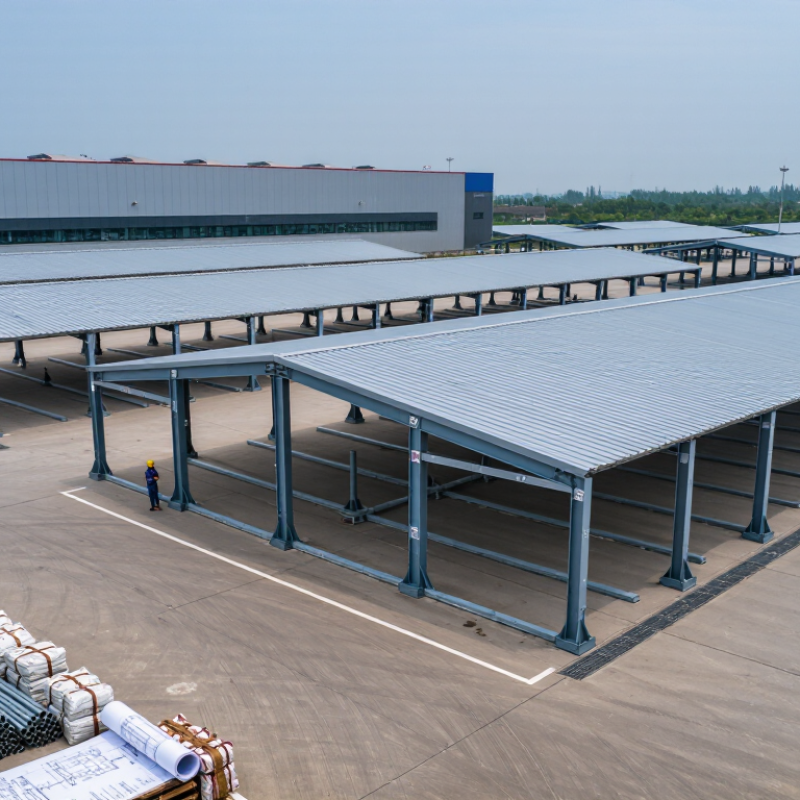
Prefabricated Metal Carports are sheltered parking structures made from factory-produced steel components. They usually include vertical posts, roof beams, metal panels, anchors, and connection hardware. Unlike masonry garages, they arrive in measured sections and require limited on-site cutting. This controlled production can improve consistency and reduce construction time.
Common roof shapes include regular, boxed-eave, and vertical-panel designs. Galvanized or coated steel helps resist moisture, corrosion, and daily exposure.
The structure works by transferring roof weight through beams and posts into the ground. Anchors secure the posts to a concrete slab, asphalt surface, or prepared soil base. In windy or snowy regions, the foundation and connections matter as much as the roof panels.
Engineers normally consider local wind speed, snow load, drainage, and soil conditions. Open sides allow natural ventilation, which helps reduce heat and condensation beneath the roof. They do not provide the same protection as enclosed garages.
Site preparation deserves careful attention. A level base prevents uneven loading and difficult assembly. Installers should check bolt tightness, panel alignment, and anchor depth during construction. Local permits and setback rules may also apply, even for temporary-looking structures.
A common mistake is choosing a low-cost frame without checking regional weather requirements. It may look sturdy in calm conditions. That assumption can fail later.
Buyers should request load specifications, material thickness, installation instructions, and corrosion protection details. Reviewing these documents with a qualified local installer often reveals problems before delivery.
Prefabricated metal carports serve different needs across climates, property types, and vehicle sizes. Open-sided carports suit farms, homes, and temporary parking areas. They provide shade and rain protection while keeping access simple. Enclosed models offer stronger protection against dust, salt air, theft, and heavy weather. They work well for equipment storage or vehicle workshops. Choose galvanized steel when humidity, coastal air, or frequent rainfall may accelerate corrosion.
Snow regions need steep roof designs and stronger structural frames. Their load ratings should match local snow conditions, not general online claims. High-wind areas may require reinforced columns, deeper foundations, and certified anchoring systems. A lightweight frame can look practical, yet fail when installation ignores soil conditions. That detail matters.
For commercial sites, modular multi-bay carports support delivery vans, buses, or fleet vehicles. Clear-span layouts improve turning space and reduce daily congestion. Smaller single-bay units fit residential driveways, but measurements must include mirrors, doors, and drainage paths. Solar-ready structures can support panels, although roof orientation and maintenance access need careful planning. In my project reviews, installation errors often caused more trouble than material quality. Uneven ground, weak anchors, and poor water runoff were common problems. A reliable purchase should include load documentation, corrosion specifications, replacement-part information, and installation guidance. Local engineering review remains necessary because climate rules and permitting requirements vary widely.
Choosing the best prefabricated metal carport in 2026 requires more than comparing online prices. Global buyers should examine snow, wind, rain, heat, and local soil conditions before ordering. A coastal site may need stronger corrosion protection, while a snowy region requires verified roof-load calculations. Ask for engineering documents, material thickness, coating details, and installation tolerances. Reliable suppliers explain these points clearly, rather than hiding behind attractive photographs. Experience matters here; a carport that looks solid in a catalog can feel very different on uneven ground.
Dimensions should match the vehicle, doors, mirrors, and walking space. Measure the site twice, especially near walls, drains, and property boundaries. Adjustable anchors can help, but they cannot correct every foundation problem. Check whether the package includes frames, roof panels, fasteners, anchors, and illustrated instructions. Missing hardware creates delays and encourages unsafe improvisation. Delivery planning also deserves attention. Confirm crate dimensions, unloading equipment, customs paperwork, and replacement-part support before payment.
Reliability depends on more than steel strength. Review warranty language, maintenance requirements, drainage design, and expected service life in the local climate. Galvanized or coated surfaces may still need inspection after storms and winter salt exposure. Independent structural review is sensible for large spans or exposed locations. I would not trust a universal “all-weather” claim without test data. Buyers should question their own assumptions: the cheapest model may fit today’s car, but not tomorrow’s larger vehicle or changing site conditions. A practical choice leaves room for real weather, imperfect measurements, and future repairs.
Buying a prefabricated metal carport across borders involves more than comparing roof prices. Standards and permits can decide whether the structure is accepted, delayed, or redesigned. Ask for drawings showing steel grades, weld details, corrosion protection, wind resistance, snow loads, and seismic assumptions. These figures must match the destination’s building rules. Do not rely on a generic certificate. Local review matters.
Permit requirements vary by municipality, even within one country. Buyers may need zoning approval, setback checks, drainage plans, and proof of property ownership. Some areas require engineered drawings stamped by a locally licensed professional. Others classify a carport differently, depending on its size, foundation, or connection to a house. Confirm requirements before placing a deposit. It is an expensive lesson to learn after shipping.
The site should also be measured carefully.
Check soil stability, slope, flood exposure, underground utilities, and overhead cables. A compacted gravel base may suit one location, while another needs reinforced concrete footings. Leave enough space for delivery trucks, lifting equipment, doors, and future maintenance.
Coastal sites need stronger corrosion protection. Mountain sites may need heavier snow design. Small errors matter. A useful checklist should include local climate data, access width, anchor positions, drainage direction, and emergency clearance. Recheck every measurement on site; plans are sometimes correct, but the ground is not.
Prefabricated metal carports can reduce construction time for global buyers, but installation quality still controls long-term performance. Measure twice. Before ordering, confirm vehicle clearance, ground conditions, drainage, and local building requirements. A compact unit may fit one car, yet leave little space for doors, tools, or future storage. Anchor systems should match concrete, soil, wind exposure, and regional climate. On sloped ground, basic installation can become expensive. Experienced installers usually prevent alignment problems, loose fasteners, and uneven roof loads.
Maintenance is simple when inspections are regular. Check bolts, anchors, roof panels, and protective coatings after severe weather. Remove leaves from roof edges, especially near gutters and joints. Surface scratches should be cleaned, dried, and repaired with compatible corrosion protection. Coastal air, road salt, and long wet seasons require closer inspection. Do not assume “maintenance-free.” That claim often disappoints owners.
Purchase price is only one part of the cost. Compare shipping, unloading equipment, foundation work, labor, drainage, replacement panels, and possible site preparation. A cheaper structure may use thinner steel or require more frequent repairs. Heavier framing can cost more initially but offer better resistance to snow, wind, and daily wear. Still, bigger is not always better. An oversized carport may increase permit complexity and foundation costs. Over ten or fifteen years, durable materials, accessible replacement parts, and clear installation guidance often influence value more than the lowest quotation.

